Showing posts with label Wood Frog. Show all posts

Saturday, May 25, 2013

Winter is for mammals....but summer is for HERPS!!!!

So much going on....

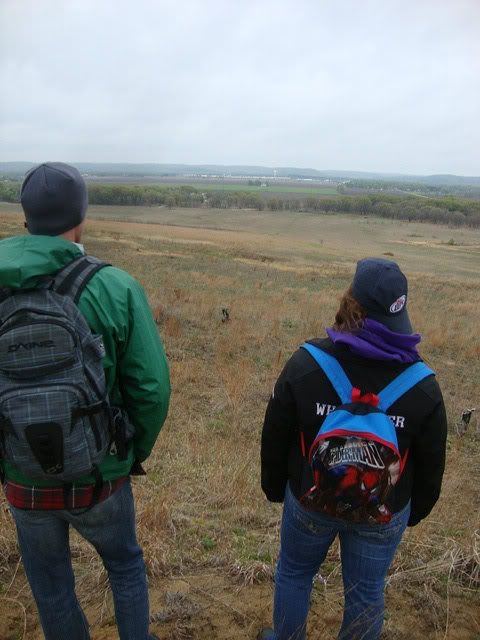
I guess I should start at the beginning of the real herp field season this year....and it began with a field trip that I took my advanced ecology class on.  This is the same trip we took last year, although back then we didn't have much luck finding the cold-blooded crawly critters.

The conditions were alot better this year, so we pulled out of the parking lot with feelings of hopefullness a few weeks ago.

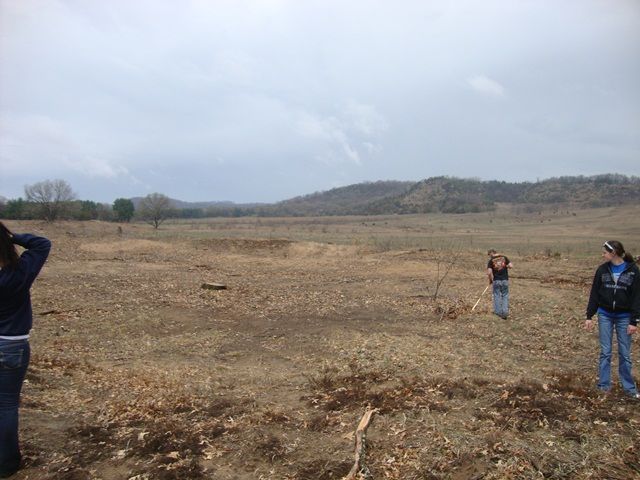
After nearly 2 hours in the car, we reached the first of our destinations: a sand prairie/savanna located immediately adjacent to a large river.  The part of the property where we were given access to is primarily used by a retriever club.  As a result, there was alot of more typical "grasses" that one might fing in a homeowner lawn.  As we moved further away from where the club operates, we ran into the results of recent habitat management.  These activities involved removal of some un-desirable/exotics: common buckthorn (Rhamnus cathartica) and Honeysuckle (Locinera sp.).  While it's good to get rid of these troublesome species of vegetation, it didn't provide great "herping" habitat.....

Yet, there were several pot-hole wetlands on site and lots of downed debris that the critters we wanted could be hiding in.  The morning was still a tad cool, but the sun was quickly warming things.  I felt confident we'd find something....

It wasn't long before....success!  One of my students called out that they found a snake...
A small species, the Northern Brown (or Dekay's) Snake (Storeria dekayi).
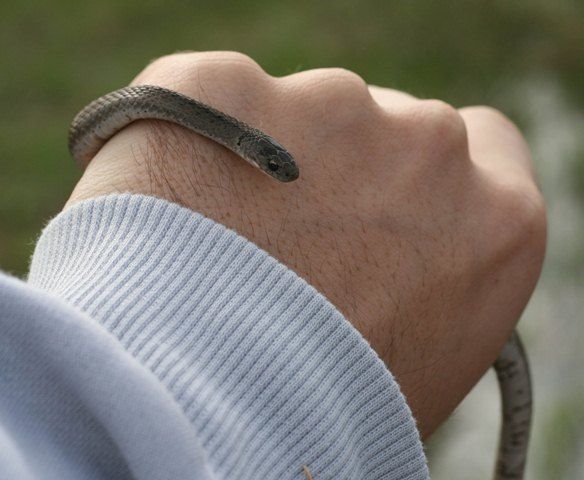
Photo by K. Kron
Brownsnakes are highly fossorial (living below ground or ground debris) and rarely seen for that reason.  They are relatively common, however....but still a great find!

We also found several other species at this site: a Common Gartersnake (Thamnophis sirtalis), a Northern Leopard Frog (Lithobates pipiens), various birds, and some interesting plants (although this site was a tad disturbed for any really cool plants).

We ended our time there with only a handful of captures.   BUT...it was still early and there were several more sites to check.
_______________________________________________________________

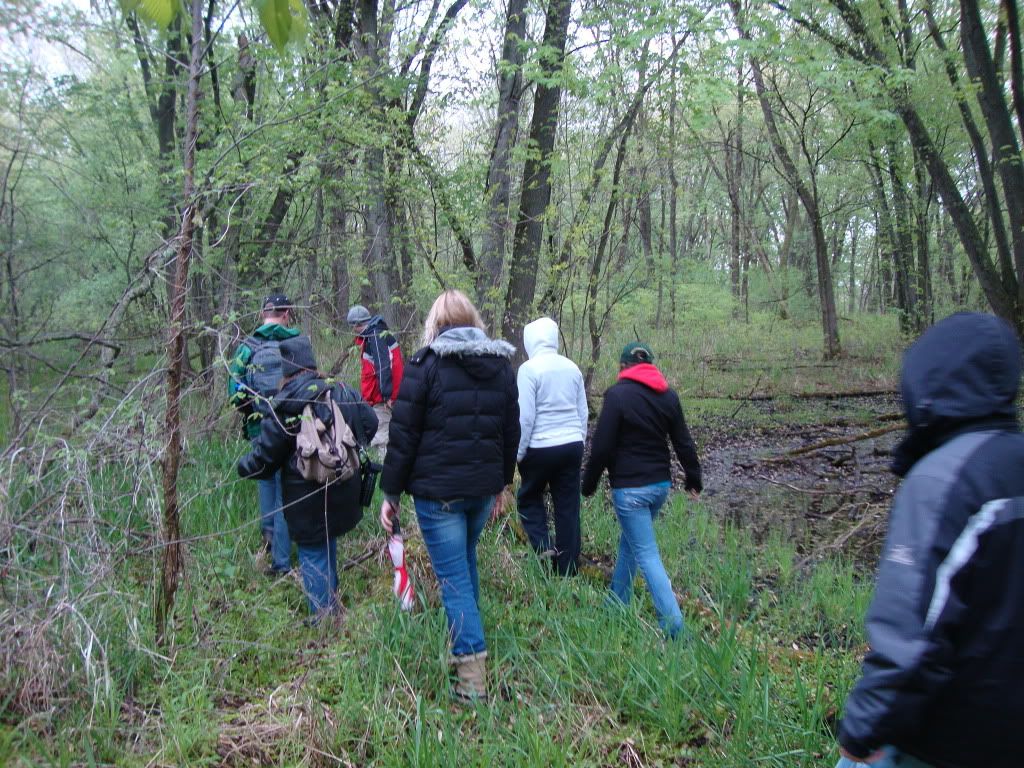
Next we headed towards a floodplain forest habitat along a major river in the state.  The primary objective here was salamanders and frogs, which require a bit of log-rolling (and "log-returning" after checking underneath).

So it was that we hopped out of the vehicles and plunged into the deer tick infested forest in search of sallies....
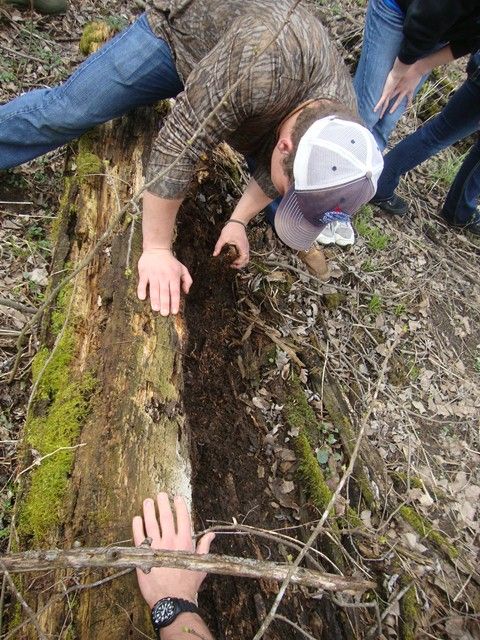
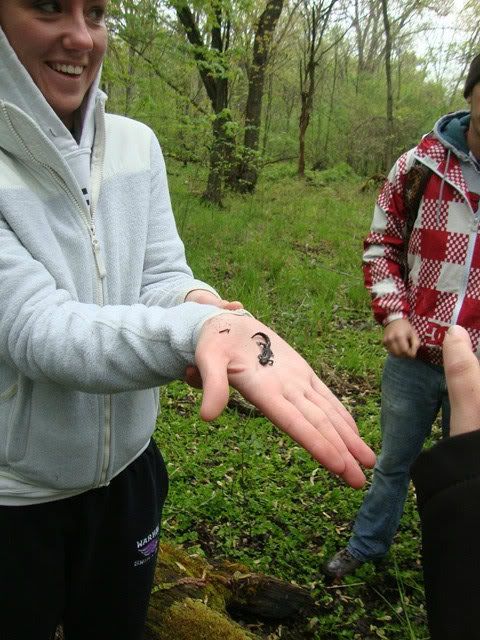
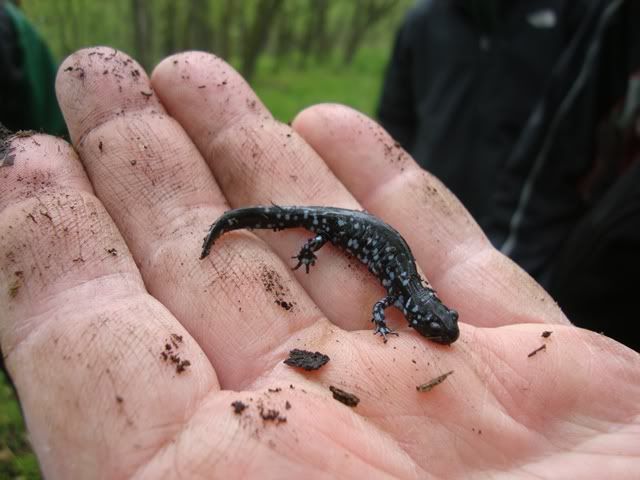
With 19 plus sets of boots on the ground, our chances of finding something were high.  It wasn't long before calls started going up that critters had been found.  The most commonly encountered was the cute little Blue-Spotted Salamander (Ambystoma laterale).
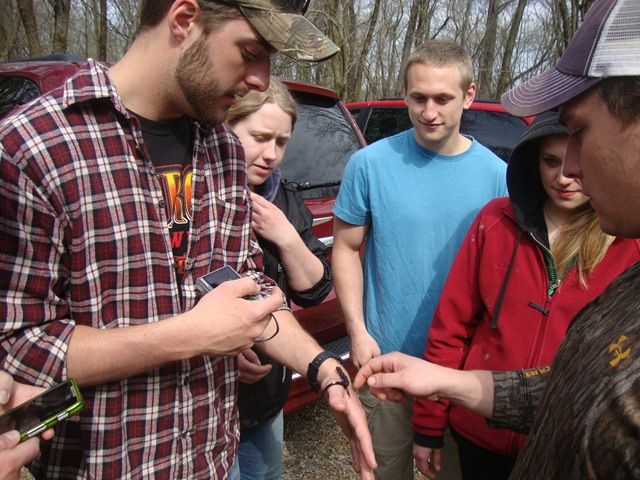
Photo by K. Kron
Another commonly captured critter was the terrestrial phase of the Eastern Newt (Notophthalmus viridescens).  The one pictured below is employing an interesting anti-predation behavior.  I believe the goal is to make themselves too awkard for certain predators to swallow whole.

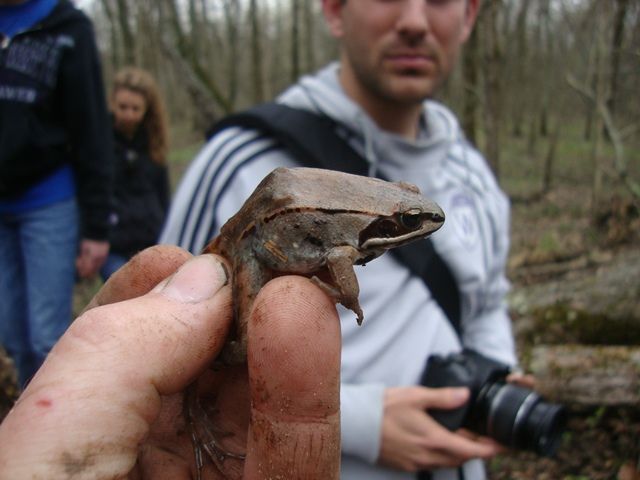
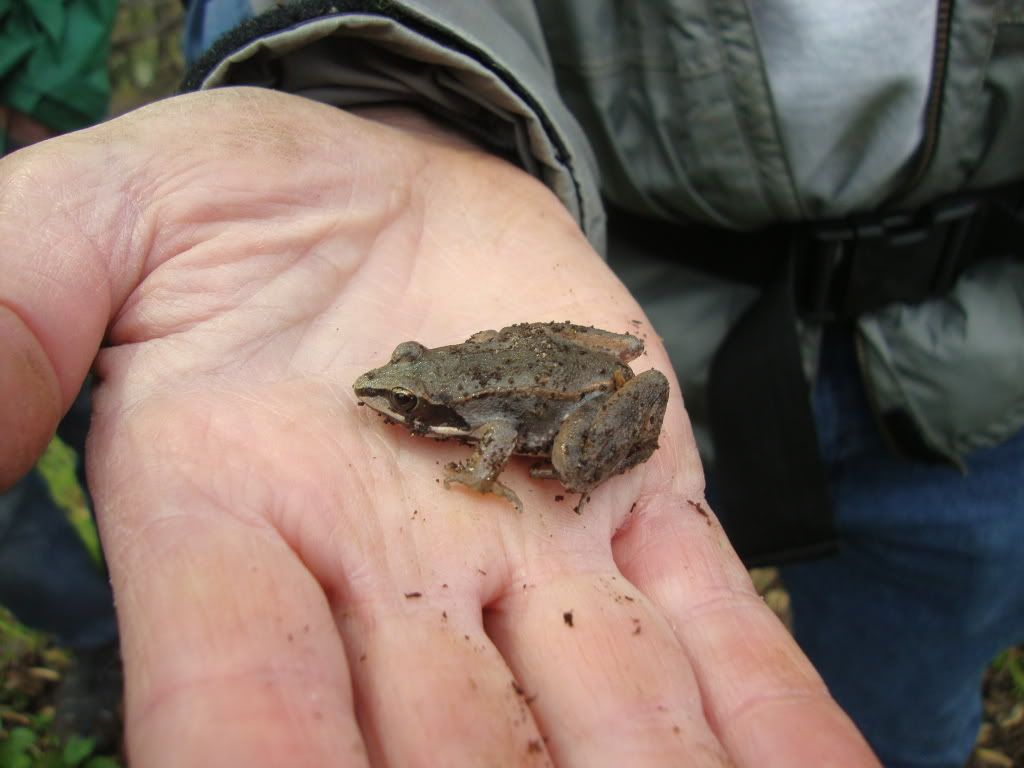
A variety of frogs were also hopping around in the forest.  This included the Wood Frog (Lithobates sylvatica), easily identifiable by it's coppery color and black mask.....

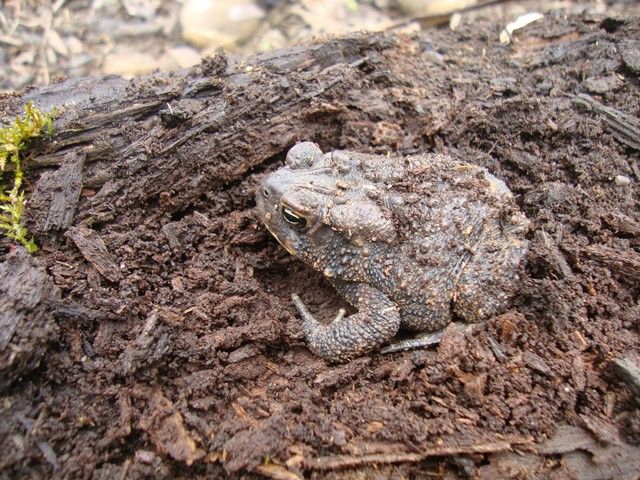
We also found Spring Peepers (Pseudacris crucifer) and a few American Toads (Anaxyrus americanus)....

So....the flood plain forest was mostly successful.  Thus, we moved on, hoping to grab some lunch and get to the next site: a sand prairie.
__________________________________________________________________
Then....the equivalent of a herpetological distaster occurred!  On an already almost too cold day, clouds rolled in.  Next came the water-works, and the rain began to pour!  As we drove to the new location we were bombarded with a deluge.  Thus, we ate lunch and I watched through the windows glumly as the rain came down. 

We hadn't seen many snakes so far.  If the rain kept up this way, we were sunk.

But...then...as we were finishing our meals and throwing away our trash...things changed.  The sun suddenly poked through, the clouds started to break....and I got excited as the air temperature began to climb.

So it was that our boots hit the ground at the next location....
 
Although it was still a bit cloudy, the sun was peeking through occassionally and it became noticeably warmer.  Due to this positive change in the weather, it didn't take long for us to start catching things.

Within 20 minutes of arriving...one of the students yelled out: 

"Doc, there's a snake over here!" 

"Well, grab it!" I replied.

"There's actually two snakes!"

"Well, grab THEM!" 

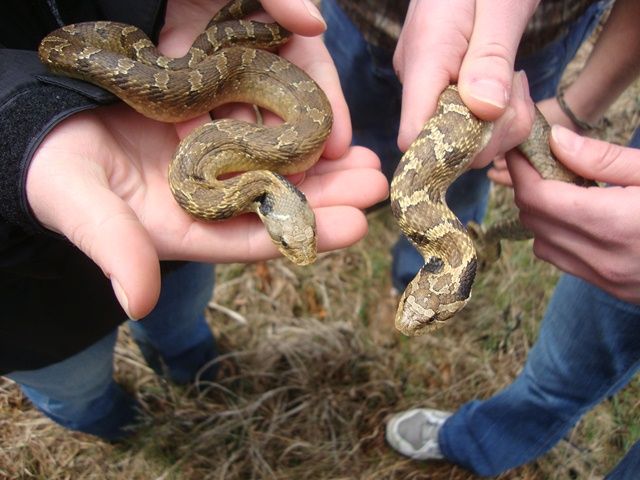
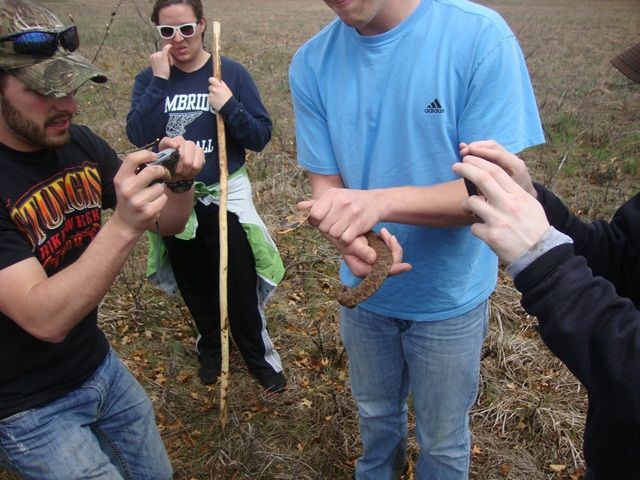
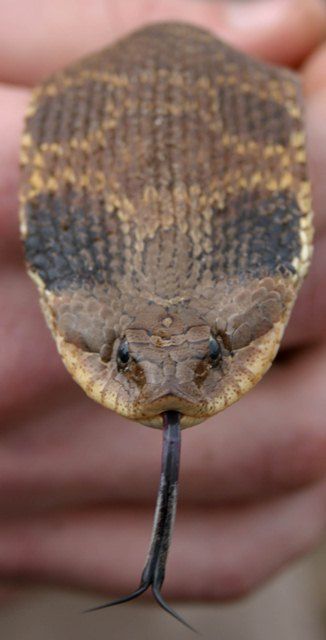
I don't know if they heard me or not over the commotion, but when I got there, we had two nice Eastern Hognose Snakes (Heterodon platyrhinos) to admire!
 
One was a very pretty orange-brown......
Photo by K. Kron
Photo by K. Kron
In total, we found four (or maybe even five?) Hognose Snakes in a matter of an hour.  Presumably, they were congregated in such a tight area for breeding....although we didn't actually see them doing so.

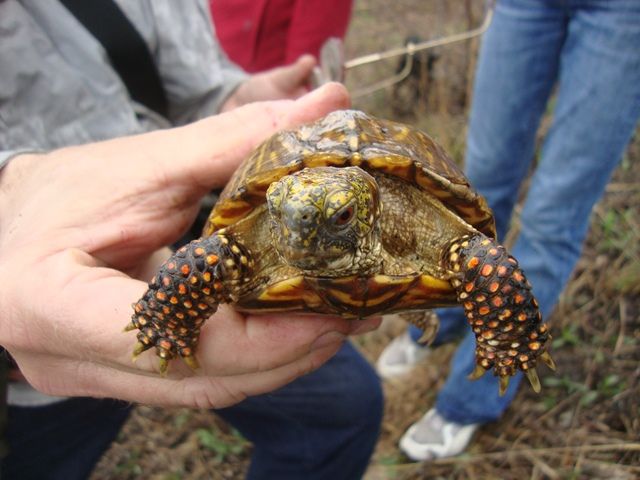
Next we moved to the north a bit, searching for some of the other critters that I knew were on-site. It was not long before we found one: the incredibly rare Ornate Box Turtle (Terrapene ornata).  The Ornate is the only fully-terrestrial turtle in the upper Midwest.  It generally requires deep, sandy soils to burrow below the frost-line in the winter.  Because such habitats have mostly been converted to agriculture or housing developments around here, this species has been nearly extirpated from the region.  In addition to habitat loss, herp-enthusiasts who collect them to keep as pets have severely impacted their populations.  Luckily, our fine state protects this species, and large fines can be incured for removing them from the wild.

Given how rare they are, it was encouraging to find a juvenile individual.....

Also...a very nice looking adult male.  Males have bright-red eyes and reddish orange on their front-legs.

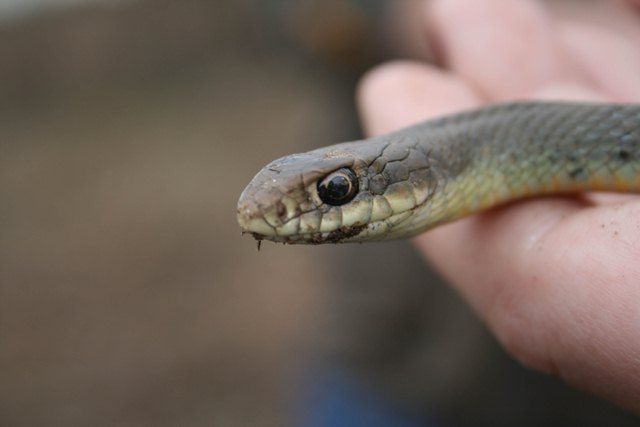
As we moved along, we found another rare species: the Racer (Coluber constrictor).

Photo by K. Kron
.....but we weren't done there!

A rare snake and a rare turtle....not to mention a few Hognose Snakes.  I was feeling pretty good about our trip, but not completely satisfied.  There were two other species that I knew were present, but we hadn't seen yet.  If we found only one of these, I decided that I would consider the day a success.

Luckily, the Herp-Gods smiled on us, and it was not long before we found one of the two sought-after species. 

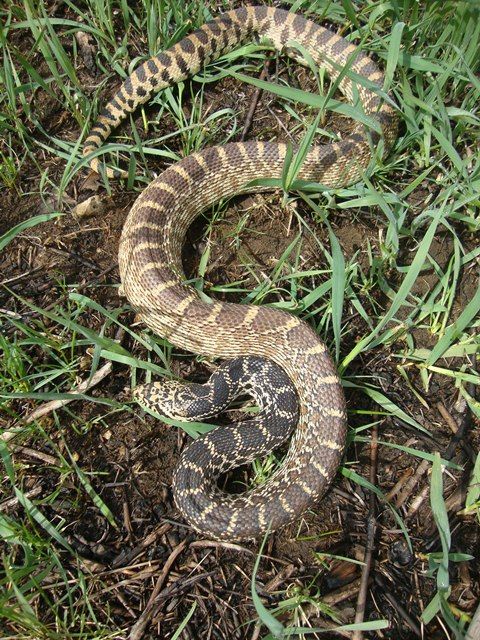
Someone found a Bullsnake (Pituophis catenifer sayi)....my favorite snake in North America....

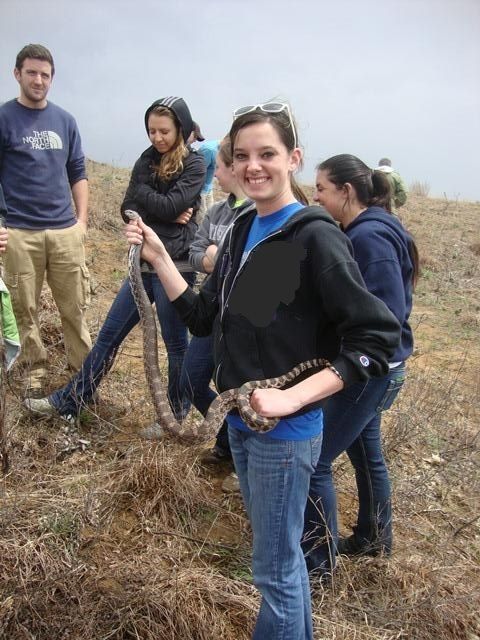
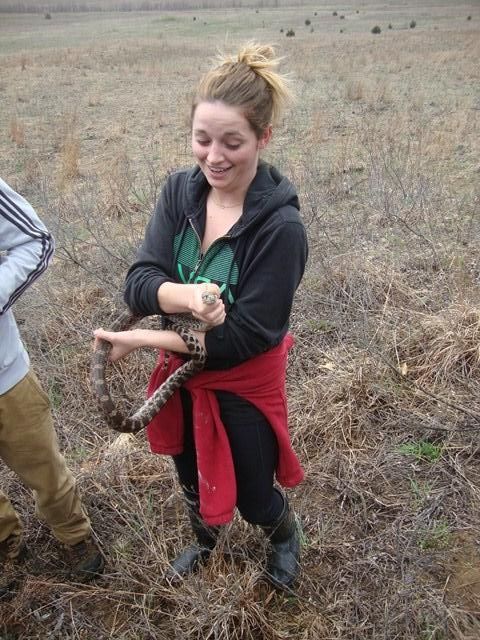
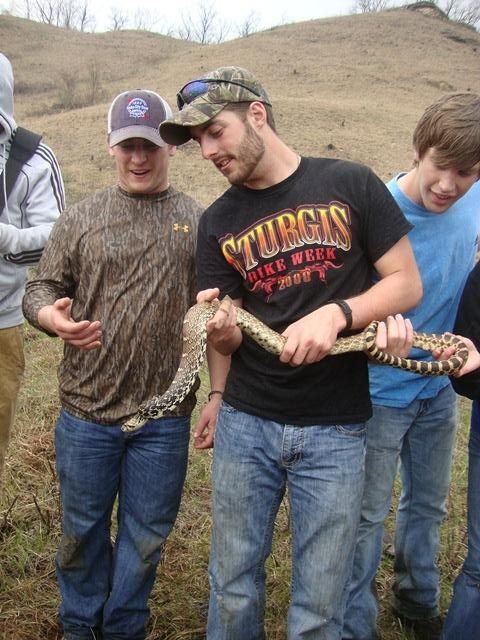
This one was polite enough for several of the students to get a chance at holding it.  Many of them were shocked that a snake species of this size lives in our region.  Unfortunately, this is another species that has been significantly (and negatively) impacted by the activities of humans.  The reasons run the gamut:  habitat loss is a key factor again....direct killing/persecution by folks afraid of snakes is another (to have such an unreasonable fear of something that you would kill it outright has never made much sense to me).  And...as with the poor Ornate Box Turtle....the Bullsnake has suffered greatly at the hands of collectors.  Unscrupulous "herp-enthusiasts" just can't resist bringing these back to keep in an aquarium....a damn shame, if you ask me.

It was not long after that when I heard more yelling "Doc! There's another big snake over here!".  Again, I yelled "grab it!", while running up towards the student waving his hands in the air. 

Another Bullsnake!

In total, we found five Bullsnakes! 

Even the students that were alittle uncomfortable with snakes, at least sucked it up and held one (even without any chiding from me! :)  ).

With every capture and encounter, they became more confident and several even grabbed the snakes without help.

All-in-all, I'd say it was a very successfull trip!  Probably one of the most important achievements of this trip is that those who are afraid of snakes (hopefully) see them in a more positive light.  Snakes really aren't scary....heck, they aren't even aggressive, if you leave them be.  Every snake we encountered on this trip first made a mad-dash for escape...it was only after we started to "mess" with them that any took a defensive posture.   Some never even did that. 

It also exposes younger folks to rare herps, and helps them understand the importance of conserving all components of an ecosystem....not just the furry/feathery charismatic ones....

I look forward to bringing a new crop of students on the trip again next year!

Sunday, July 1, 2012

Herpin' the Upper Midwest, Day 1: The Bog

Well, for anyone who has followed my blog for any length of time knows....I had a research student in NC who was a very enthusiastic (and effective) budding field biologist: Dave.  You can actually click on his name in the "Labels" section along the left-hand side of the blog to see some of the stuff he and I were working on down south.....you can also check out his cool blog, Salameandering. 

Anyways, after I moved north Dave and I stayed in contact and continued to work on several of our research projects through correspondence (with Dave doing the field work, and the two of us analyzing data sent via email).

Last fall....during one of our email discussions about some data Dave was collecting....we started to concoct a plan.  By the time the plan was solidified, we had decided Dave would come up to our neck of the woods this spring for a week-long visit.  I'd show him some of the great natural areas and wildlife our region has to offer.  We'd focus on species and habitats that were either absent or not common in NC, so he could see some different stuff.  Basically, we decided to have some fun.

So, last month the southern boy found himself in the north and (as we had planned) fun was the result! 

BUT....this was not a "sit around and relax" type of trip.

Why?

'Cause there was field work to do!
______________________________________________________________________

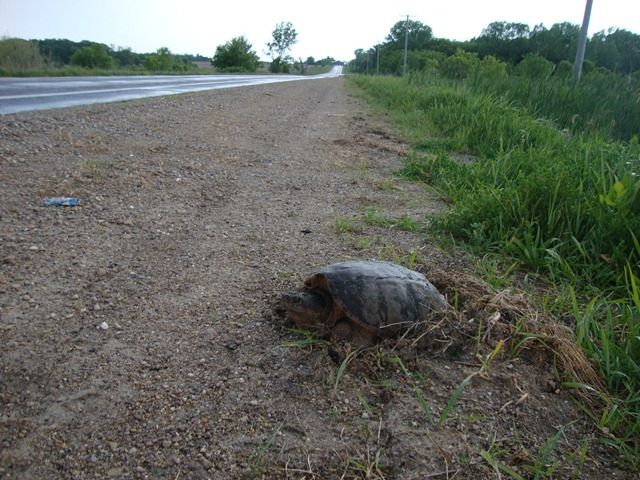
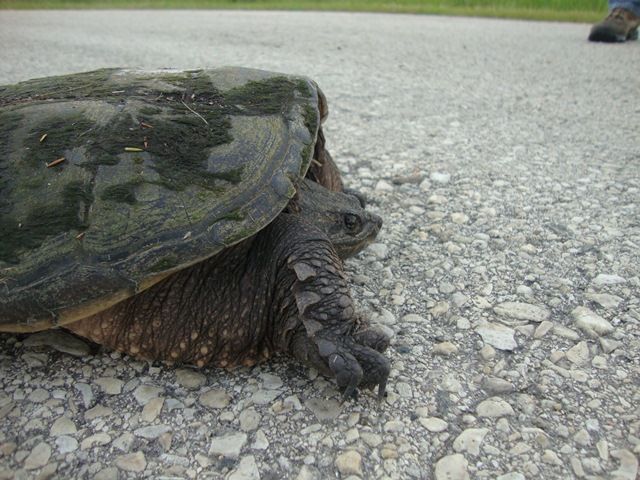
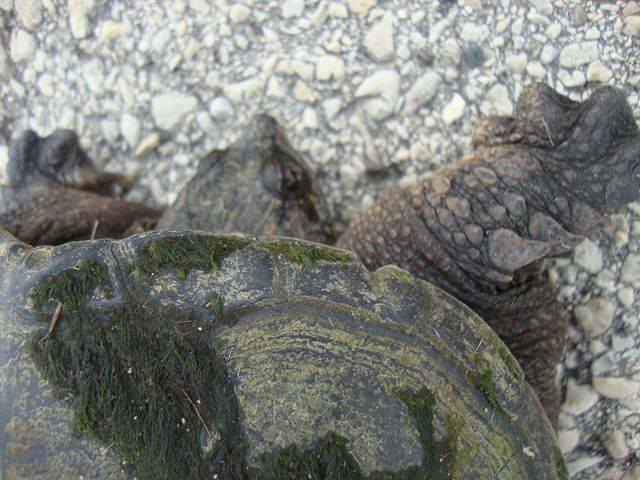
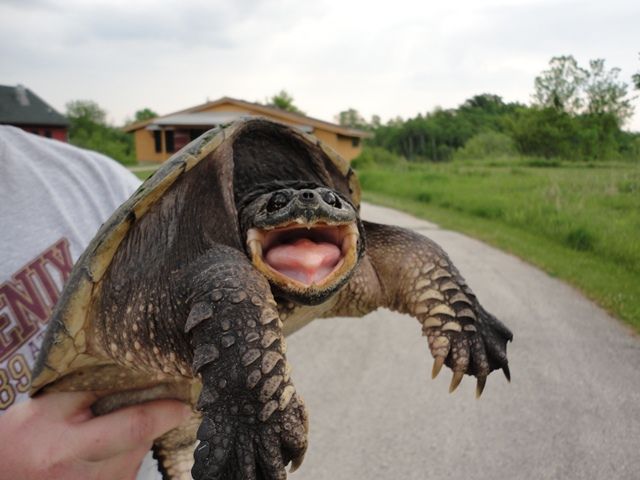
The night he arrived, like a good omen, we found a female snapper (Chelydra serpentina) nesting along the roadside.  Most of the time, turtles along roadsides are of the "pancake" variety.  But not this one.  She was alive and well and in the act of depositing her eggs.  So, we took a picture and moved on, hoping no one would be heartless enough to swerve and hit her.  She was an easy target, and I've seen some very ruthless (or completely unattentive) drivers smack turtles that could have been avoided.....so I was a tad nervous.


The next day, however, we passed by this spot and there was no dead turtle.  I felt much better.

Occassionally, there are flickers of hope for humanity, I suppose....

Anyways....we visited three habitat types during Dave's trip.  I'll talk about each in separate posts, starting with....

The Bog:

I've spent a fair amount of time at this site.  I've taught a weekend field herpetology course at the field station on-site for a number of years....which I'll post about later.  But I knew we could get some amphibian and reptile species there that don't show up (or are rare) in NC.  Plus, Bogs are just neat habitats....with many unique plant species that are found nowhere else.  This site doesn't only contain a bog, however.  There are nice sedge wetlands, grassy meadows, and a beautiful Beech forest that is heavily managed to control Garlic Mustard (Alliaria petiolata).  For those of you not familiar with this nasty little plant, its a particularly prolific invasive that will blanket the understory of woodlands 'round here if allowed to exist unfettered.

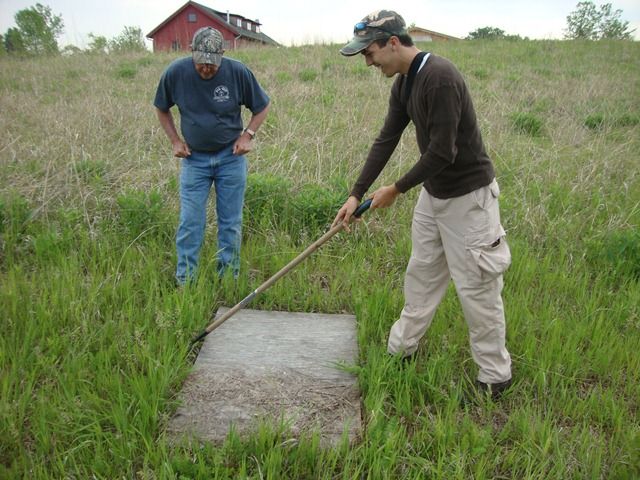
The site also has artificial cover objects (for surveying snakes) that have been in place for many years.  They are all in the grassy meadows and fields adjacent to the open wetland habitat on-site.  Thus, they attract snake species prone to using wetlands or grassland or both.  So...if you're looking for snakes....flipping cover objects on-site is obviously a good place to start!

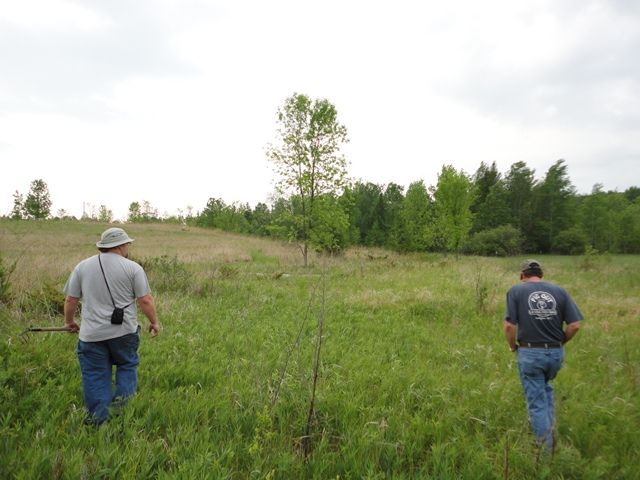
But first, you've gotta walk out and find them in the long grass......
Photo by D. M.

....then you can flip them....


...and reap the rewards of your effort!
Photo by D. M.

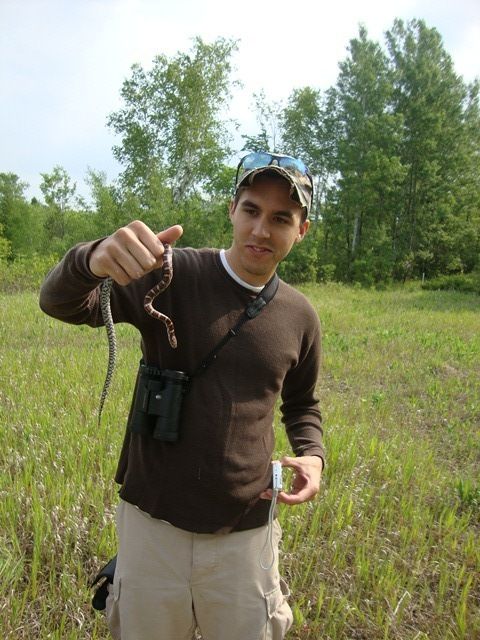
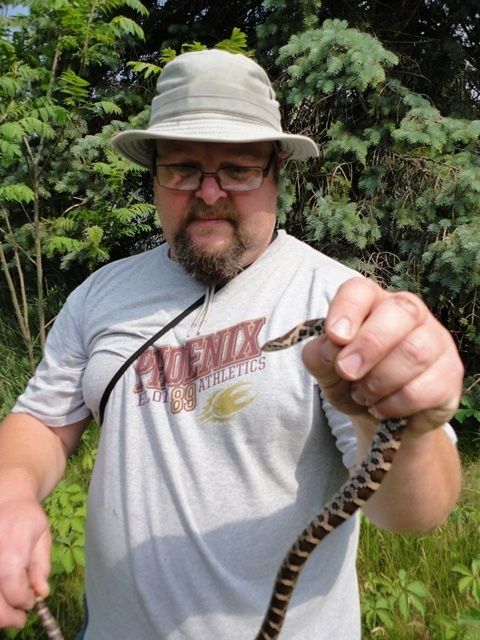
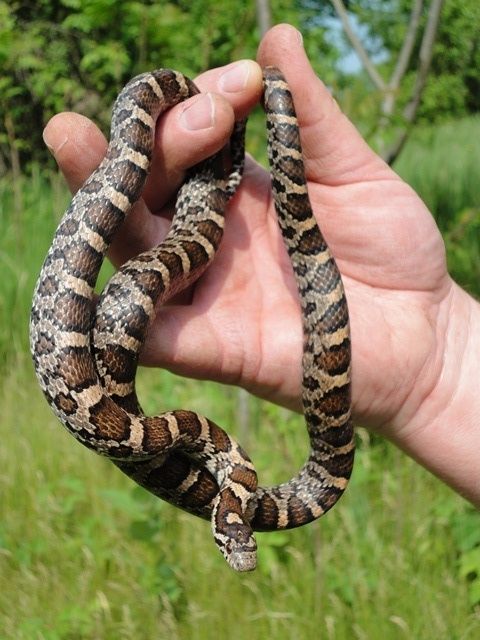
Eastern Milksnakes (Lampropeltis triangulum triangulum) are relatively common on-site, and we found a number of them under the cover objects...
Photo by D. M.

Photo by D. M.

Although eastern Milksnakes were common, also present were a pair of gartersnake species: the Common Gartersnake (Thamnophis sirtalis) and the Butler's Gartersnake (Thamnophis butleri).  More on those species in a later post.

As we conducted a complete circuit of all the coverboards on-site (a few dozen of them), we crossed the driveway into the property.  At that time, we came across a Common Snapping turtle (Chelydra serpentina) thumping her way over the concrete....probably looking for a good nesting location.

Upon closer inspection, I realized this was an individual I had marked #3 via marginal scute notch with a file in June of 2008.  In 2008, I had also found her crossing a road.  Snapping turtles are generall only seen during the nesting season, as the females must come on land to lay eggs.  Otherwise, they have no reason to leave the water.  In fact, most spend their days buried in the bottom of a mucky pond somewhere sucking down anything that strays too close.  While they eat mostly animal material (vertebrates and invertebrates) they are also known to eat a fair amount of vegetation (duckweed, aquatic plant tubers, etc.).

She really didn't appreciate my close inspection, though....
Photo by D. M.

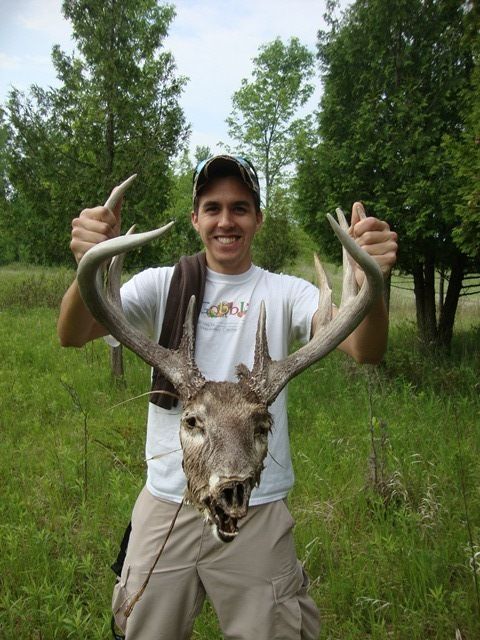
While checking the boards we also came across an incredible carcass, where the board transects bisected a game trail.  As anyone who is interested in wildlife knows, finding a good carcass is about as exciting as finding a good pile of poop (both are awesome finds...usually worth photographing.... and both also make most average folks cringe).

This was a White-tailed Deer (Odocoileus virginianus) carcass...which is normally on the lower end of the "cool scale", seeing how common they are. 

But this one was better than most.....

This was obviously the carcass of a very nice buck.  The base of the antlers were enormous!  What it was doing there, I can't say.   Our location was very near a little-traveled dirt road.....so it's possible the buck was nicked on the road and managed to get as far as this spot before collapsing.  Perhaps it was also winged by a hunter, but was able to make it to this point before it succumbed to its wound.  Most of the bones for the rest of the carcass were intact (not cracked, or crunched...and were mostly articulated).
_________________________________________________________________________

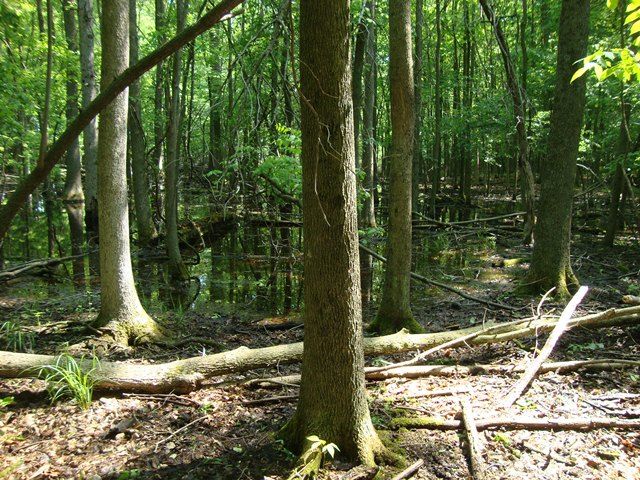
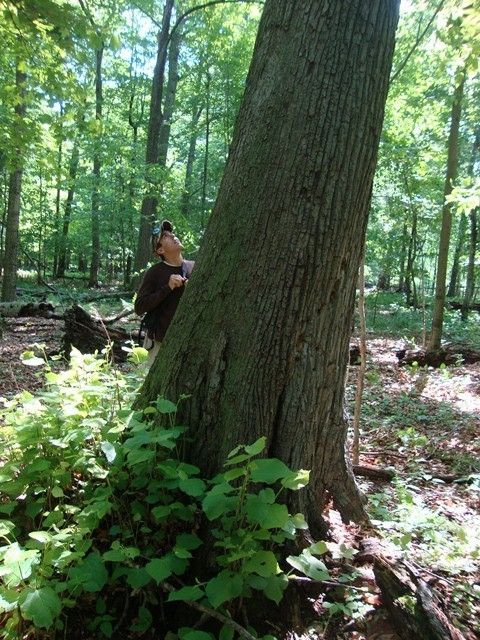
After our success in the meadow, we decided to head deeper into the property to search through the Beech Woods on-site.  You may or may not notice from this picture that there is not a sprig of Garlic Mustard to be seen....and that is no accident.  The staff on-site exert a huge amount of effort in the hand removal of this nasty invasive plant.  The result is obvious, though....and it's a beautiful forest.  With little under-story vegetation, several nice ephemeral wetlands.......

......and some beautiful old trees, such as this giant American Basswood (Tilia americana)!

There is also a wealth of amphibians back in the woods.  During our brief visit, we found two frog species, a toad species and a salamander....

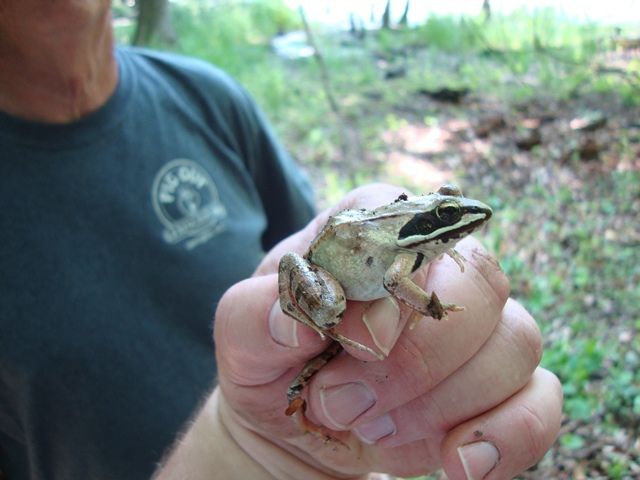
First, the Wood Frog (Lithobates sylvatica).  This is a fairly common species on-site.  As the name suggests, it is fond of wooded habitats, and so I frequently find them associated with woodlands that have associated ephemeral wetlands.  Most of the year is spent hopping around the leaf-litter and ground debris looking for invertebrates to snack on and they blend in well with the leaf litter in these habitats.  Basically, one has to almost accidentally step on them before they'll move.....and THEN you'll be lucky enough to actually see one!

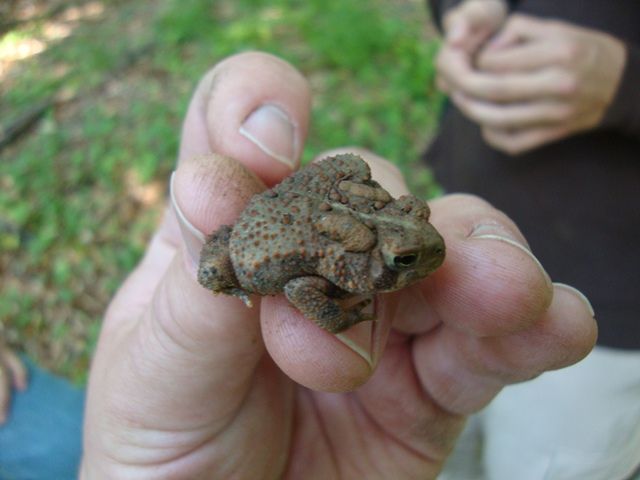
The American Toad (Anaxyrus americanus) is another frequently encountered amphibian at this site.  This is a ubiquitous species 'round here, and is tolerant of landscapes that have been disturbed by humans.  They are frequently found in suburban and agricultural settings, so long as there is some available cover and moisture.  This species was the one that I most encountered in my back yard as a kid, and is probably largely responsible for my love of amphibians as an adult.

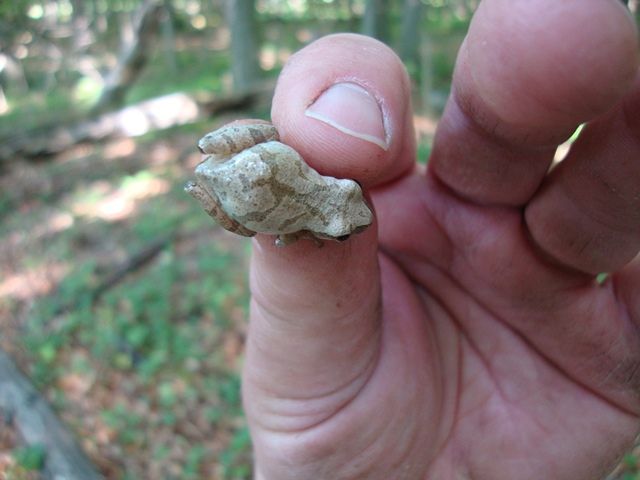
The Spring Peeper (Pseudacris crucifer).  A beautiful little member of the family Hylidae (the treefrogs).  Very common in woodlands with associated wetlands.  This species often shares habitat with the wood frog and I have encountered many sites where these species are sympatric.

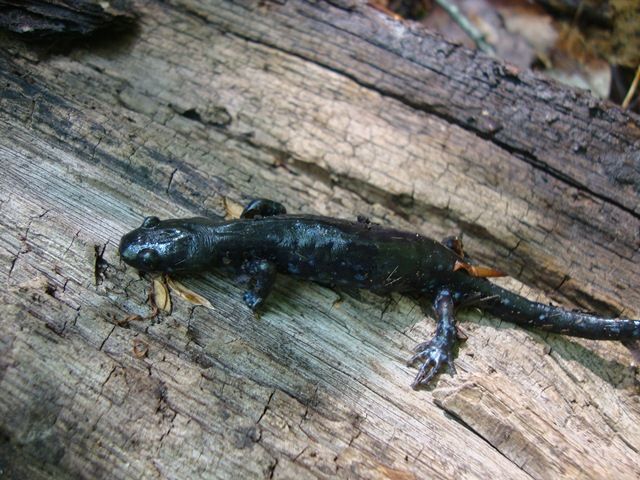
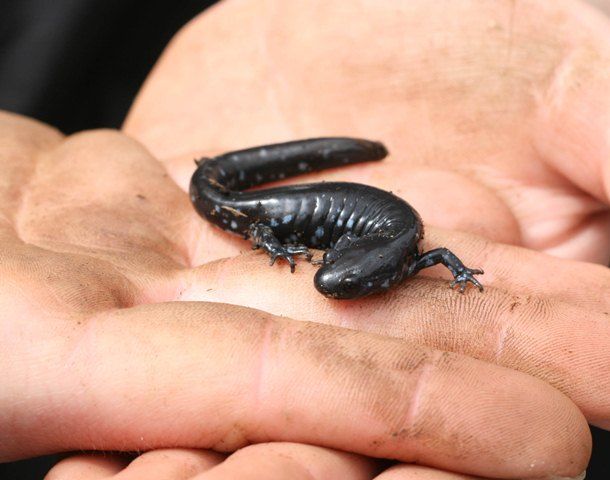
The Blue Spotted Salamander (Ambystoma laterale).  This is one of three salamanders on-site that I've seen.  It is also a species not found in North Carolina, so was a new one for Dave.  The juveniles tend to have much brighter blue spots, and are very pretty.  The adults tend to loose the bright blue spots, and often look more black.  They are smaller and less chunky than the other "mole salamanders" (or members of the Genus Ambystoma) in this area, such as the Tiger Salamander (Ambystoma tigrinum) and the Spotted Salamander (Ambystoma maculatum).
____________________________________________________________________


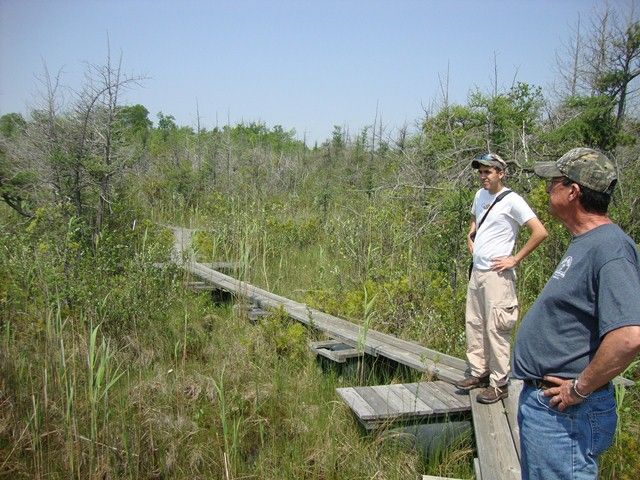
After messing with some amphibians, we decided to take a stroll out on the boardwalk that leads into the actual bog on-site.  Being covered in sphagnum, which one easily punches through while slogging around in a bog, these habitats are very difficult to navigate and walk through.  Luckily, the folks at the field station associated with this bog created an outstanding boardwalk raised above the sphagnum that allows for easy passage.

The boardwalk really allows naturalists to step back and enjoy this interesting habitat, rather than having to worry about sinking into it......
The board walk also grants those seeking passage through the bog the opportunity to spot some of the cool plants that show up in bog habitats.

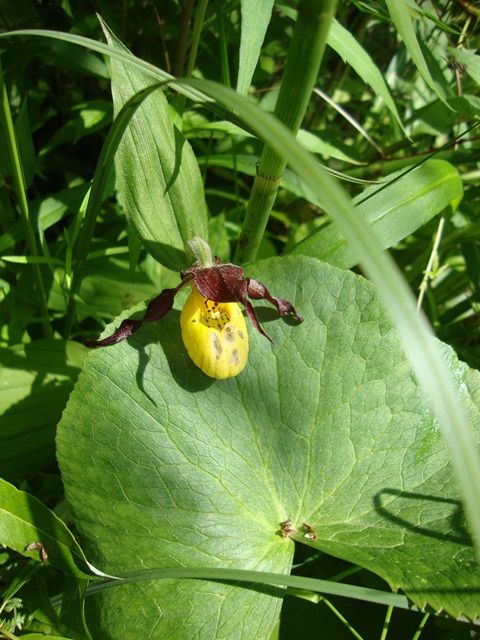
These include the beautiful Yellow Lady's Slipper (Cypripedium parviflorum).  Amazingly, there are a handful of "flower-nuts" out there that illegally collect these from the wild to culture in pots!  It really doesn't make sense to me.  I can see buying a captive-bred orchid variant to keep as a house plant....but I just don't get wild-collecting of stuff like this!  Such a shame to remove them from their natural environment.

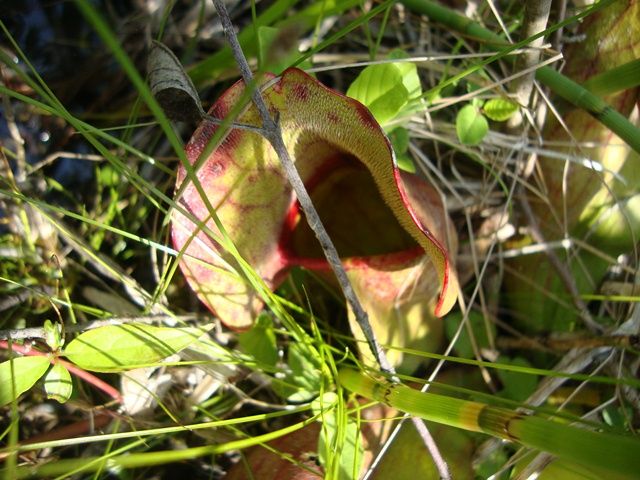
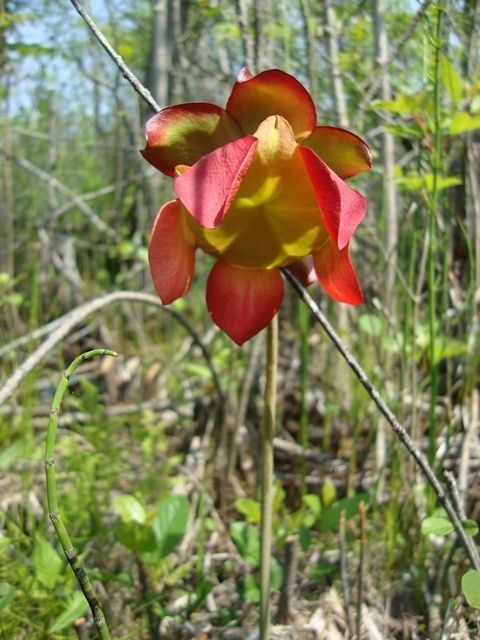
......the carnivorous Pitcher Plant (Sarracenia purpurea).....
...and its wonderful flowering head.....

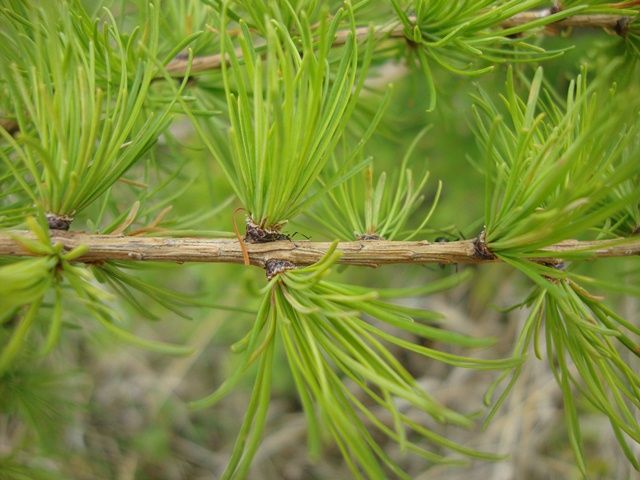
...ALSO...one of my favorites.....the Tamarack (Larix laricina), a deciduous conifer!
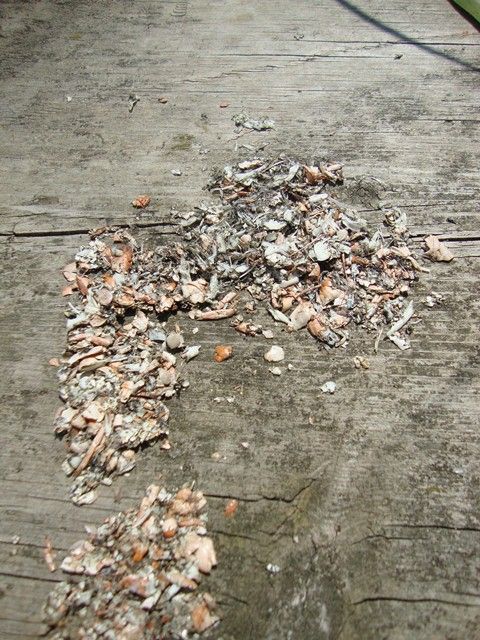
Amphibians and reptiles are very sparse in the bog proper.  Birds are plentiful and mammals are common.  On our walk out into the boardwalk, we happened upon a location where the bog opens up into a sedge marsh that leads to a nearby lake.  Here we saw evidence of Otters (Lontra canadensis).  I've seen Otter scat along this stretch of the boardwalk in the past....so I was not surprised to find their scat here again.
______________________________________________________________________

Our first "herping adventure" during Dave's trip was a success!
I'll soon post about the other two big trips we made during his week-long visit.....

Saturday, April 28, 2012

Advanced Ecology Lab Week 12: Annual Field Trip


The morning broke cold, wet, and gray.....

Normally.......not a big deal.....

HOWEVER, because today was the date I had selected back in December 2011 for the first annual Advanced Ecology Lab Herptile Field Trip......"cold", "wet", and/or "gray" were things I had fretted about for this trip since January. 

It's been beautiful for much of the spring here.  We also had beautiful weather yesterday....and are supposed to have beautiful weather for the days to come.  So why the weather picked TODAY to be cold and rainy is beyond me!

But, the vans were reserved, the date was picked months ago, and there was no turning back at this point. 

So we had to make the best of it.

And we did!

Anyone who read this blog last summer knows that I'm cold-blooded at heart, and I love herptiles....particularly snakes.  So, I had planned this trip to coincide with what is (usually) a good time of the year to see snakes at some sites I spent alot of time on during my dissertation.  So I came up with a trip centered around the opposite side of the state from where we are located.  Over there, the landscape (topography and major habitats) have had a different geologic past than the rest of the state.  Lots of topographic releif.....much more xeric conditions....lots of sand.  The entire area is either in a current (or ancient, in some cases) river floodplain.  In our state's geologic past, an ancient glacial lake drained through the area as a large river that meandered back and forth across the plain, depositing this sand throughout the region as it went.  As a result there are exposed rock cliffs (eroded down by the river many, many years ago), and lots of sandy prairie in the old river bed. 


This unique pre-history means there are a much different host of plant species found there compared to where the university I work at is located.  Furthermore, the reptile species found there are different than where we live several hours away.

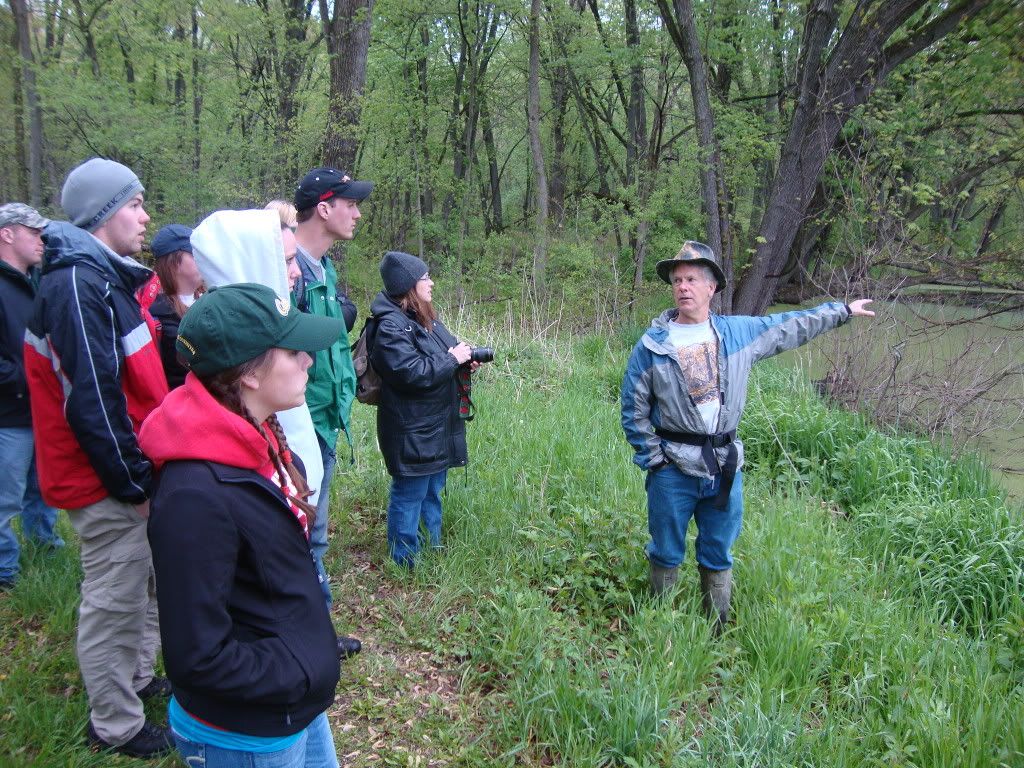
We were also fortunate enough to have a good friend of mine come along with us on the trip.  He worked many years for our state regulatory agency, in the endangered resources division as the cold-blooded specialist.  So under his purview were amphibians, reptiles, non-game fish, and invertebrates that were protected in the state.  He gave the students some nice background information on the history of the sites, the difficulties associated with managment of the habitat (and species therein), as well as discuss the difficult situations that arise when mitigating problems that occur when humans and wildlife don't have the same agendas!  A good thing for any up and coming wildlife biologists to note....and as my friend said today repeatedly....wildlife management, regulation and protection often involves a significant amount of human management.  It involves learning to deal with personalities, learning to resolve conflict, and working to educate folks who don't care about, or don't like wildlife (and often blame state regulatory agencies for their troubles).


The first site we visited was a large river floodplain forest.  Great for amphibians under warmer conditions.  But also a good place to learn some history about the habitat managment that has occurred on-site, and for the students to hear about the nitty-gritty of what types of considerations are neccessary when managing habitat and/or species.


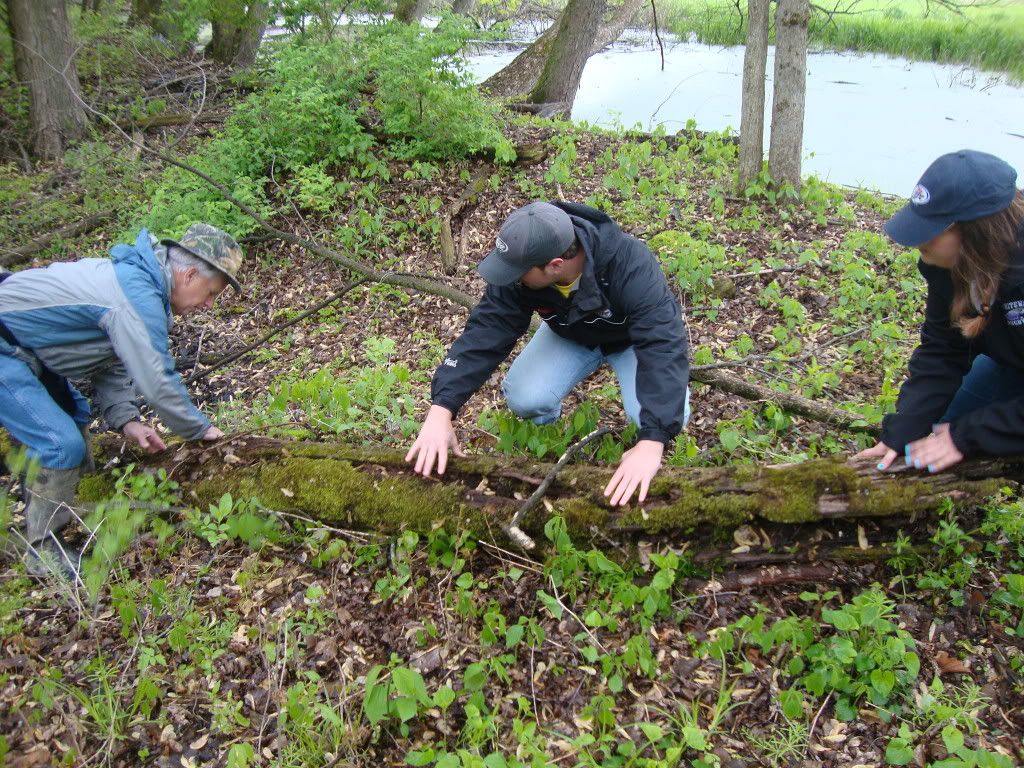
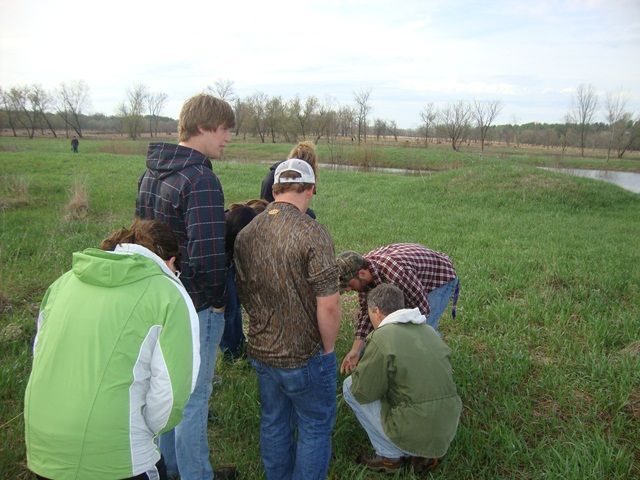
Of course, despite the cold, it wouldn't be right if we didn't spend some time in the woods rolling logs for amphibians.

 Some of us were more ambitious than others, when it came to selecting good logs to roll.....

...but the result was some cool critters captured.....including the wood frog (Rana=Lithobates sylvatica).  Easily recognized by it's tan/bronze/brown color and dark mask....  The wood frog is one of the earlier species to call in the state, and also has possibly the shortest breeding season.


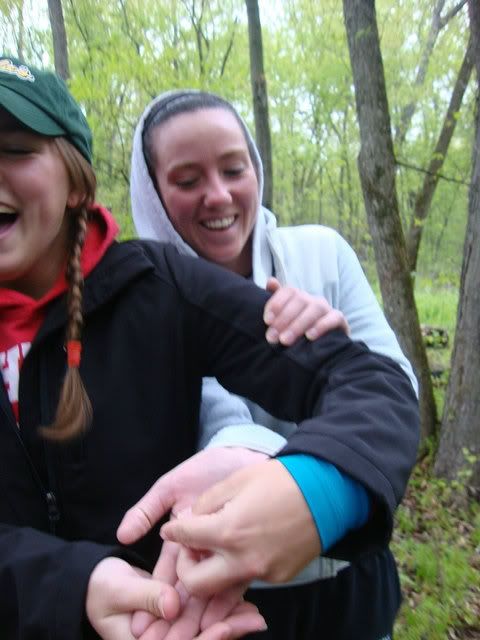
It came to my attention that some folks in the group were uncomfortable with holding these harmless little critters.  Being the overly-sensitive soul that I am, I then demanded they open their palms and hold the frog. 

This took alittle coaxing.......
 ....but in the end, everything turned out fine....

In fact, the other critter we came across (the blue-spotted salamander, Ambystoma laterale) was handled with slightly less trepidation....

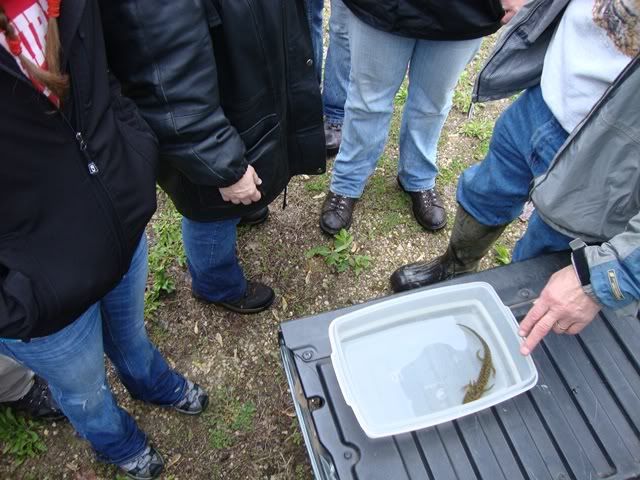
Our guest for the day also brought some examples of other amphibians for the students to get alook at.  These included, a nice larval tiger salamander (Ambystoma tigrinum)....

....some central Newts (Notopthalmus viridescens) in their adult aquatic phase....

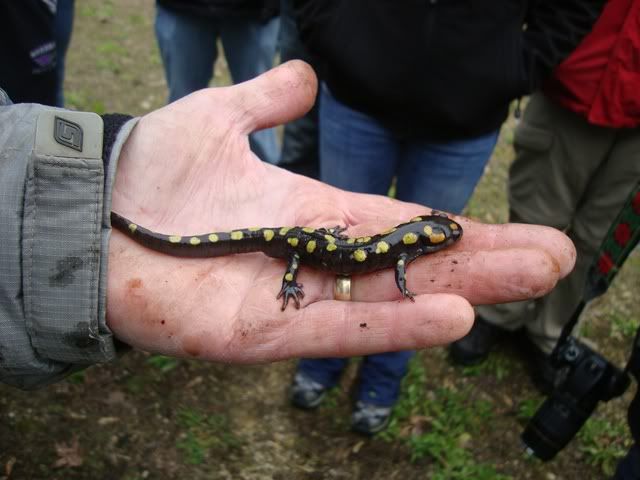
....and a nice adult spotted salamander (Ambystoma maculatum)....

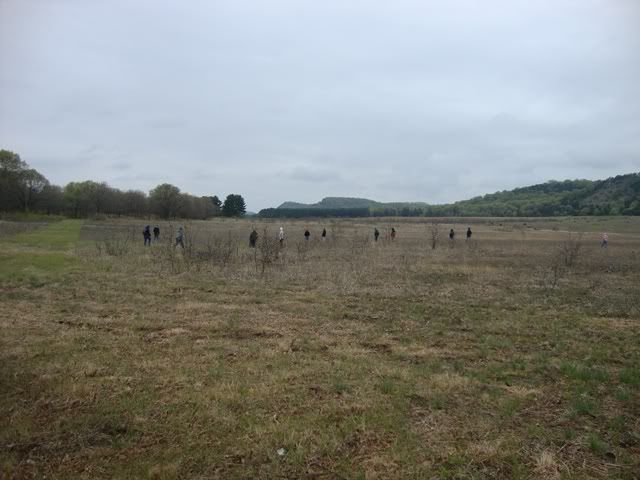
Then it was off to the sand prairie!

This was a site I was really hoping would produce snakes, but was doubtful given the cold.  There are several snakes that are protected by the state on-site...and one turtle (the ornate box turtle, Terrapene ornata) that is listed as endangered.

Unfortunately, this site has been hit hard in decades past by "herp enthusiasts" and collectors....who in the 70s and 80s cleaned house on the populations of these rare reptiles, setting their populations back severely.  Surprisingly, collecting on-site can still be a problem (why folks want to keep these critters as pets rather than just enjoy them in the outdoors, is beyond me...but whatever).  So we tried to really make this point hit-home with the students.  The site is special, and so are the species that live there!

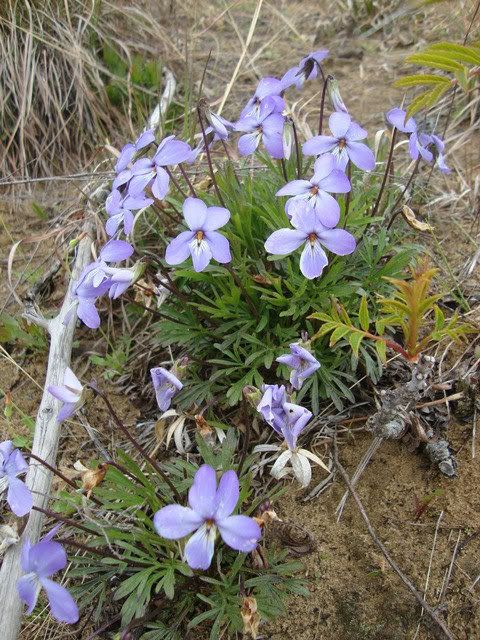
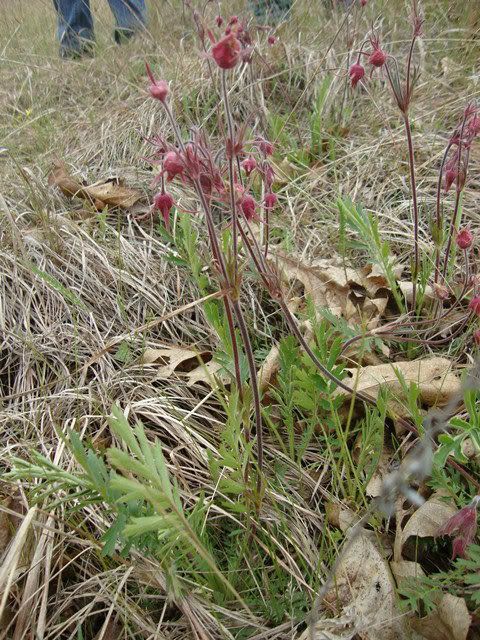
With the very bizarre weather we've had this spring (hot early on, and now relatively cool) I didn't know how the spring flowers on the prairie would react.  Luckily, many of my favorites were still in bloom when we arrived.

Including, the Birdfoot Violet (Viola predata).....

...and the Priarie Smoke (Geum triflorum)...so named because when these red buds open the seed heads are fluffy and wispy, almost like a puff of smoke.

We also saw some interesting warm-blooded wildlife sign.

First was a deer carcass....

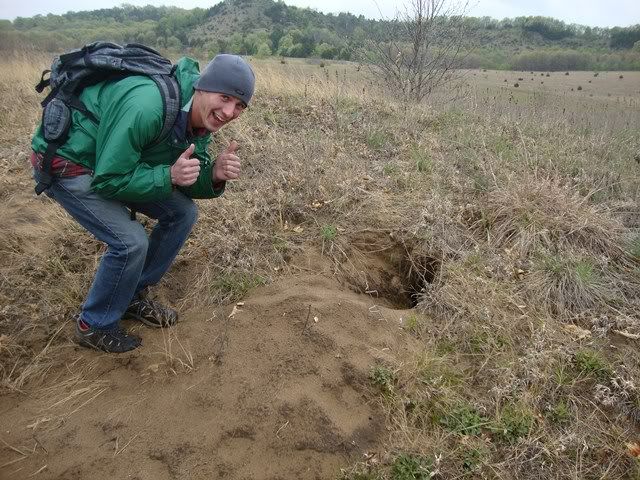
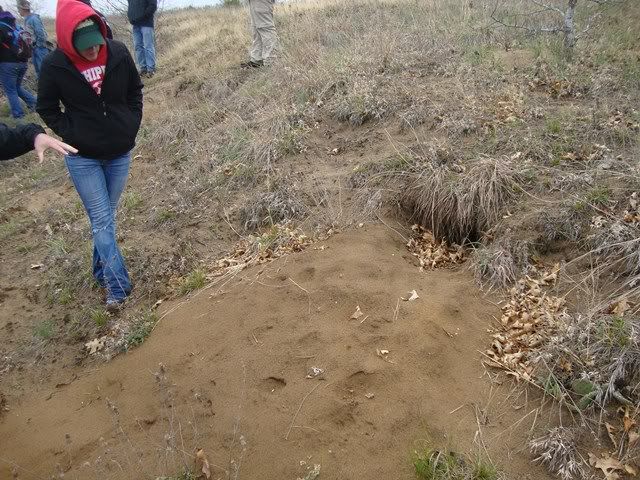
There was clearly evidence that something had been at the carcass feeding and had dragged it to this location.  We also found the likely culprit's residence nearby. 

I asked the student to stick his head inside the entrance to this coyote (Canis latrans) den for scale.  I was pleased to see he was smart enough to mostly decline. :)
...a secondary entrance just down the ways on the same earth/sand berm....
Can't say for certain that the 'yotes had actually killed this deer.  There was good evidence that it was a carcass that had been dumped nearby by a hunter...and the 'yotes had just drug it closer to the den for easy pickings.

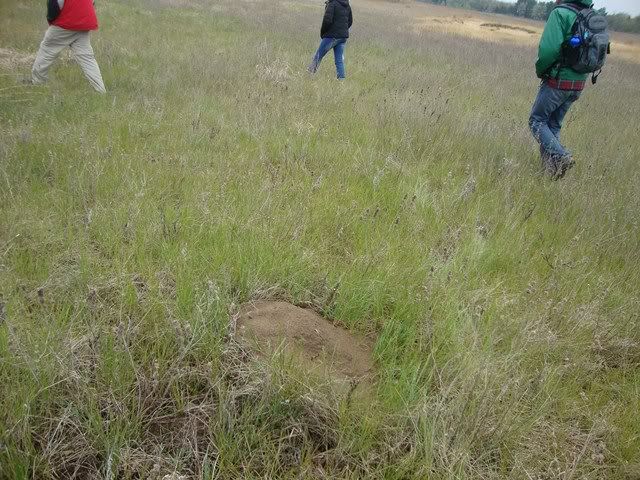
Below is a mound created by the sub-terranean activities of the pocket gopher (Geomys bursarius).

There were also grassland bird species on nests already.  Once they flush, it's relatively easy to find the nest.  A Mourning Dove nest below....

More exciting was a Meadowlark nest (see below).  It's hard to know if this is the western or eastern Meadowlark, as both are on-site.  The eastern has always been one of my favs....they used to call along the fields near my grandmother's house as a kid.  I do get a chuckle out of the Western Meadowlark's scientific name: Sturnella neglecta.  Perhaps it was viewed as the neglected Meadowlark compared to the Eastern (Sturnella magna)? 

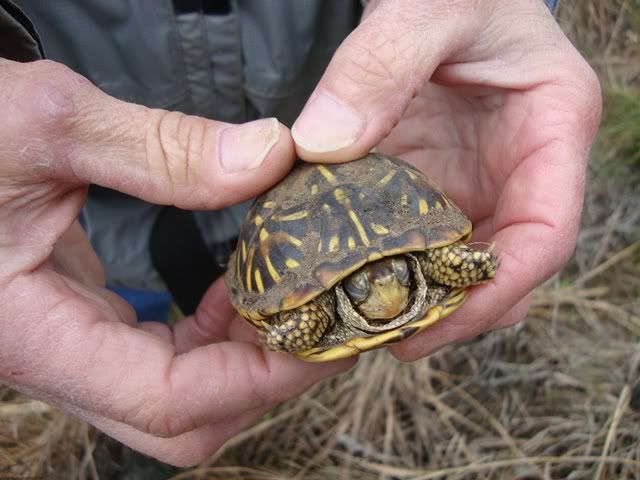
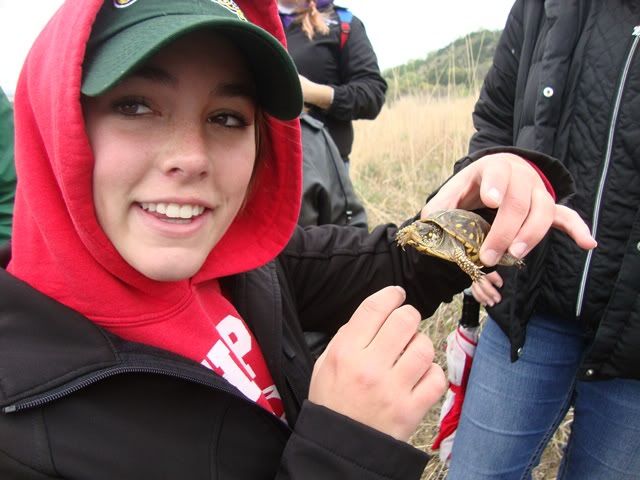
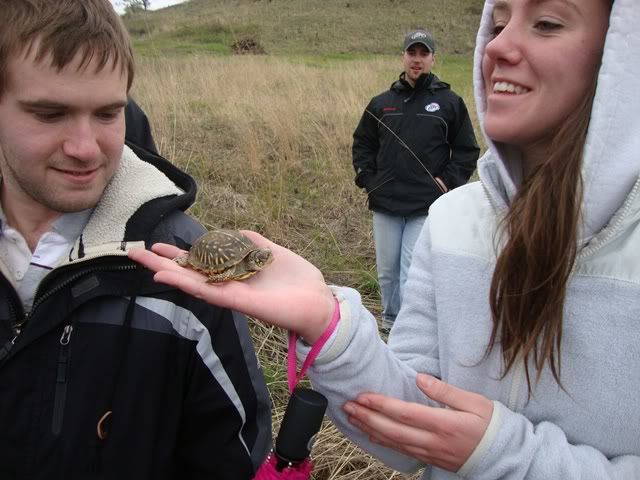
But....luckily..the reptiles did not completely evade us!  One of the students came up with this real gem....the state's rarest turtle: the Ornate Box Turtle.

This little one was a juvenile.  He looked and felt cold (I don't think it broke 50 deg. F today!). 

It was also special in that it was a "head-started" individual.  The head-starting program is a management strategy implemented in an effort to augment the populations of this incredibly rare turtle throughout the state.  It involves collecing eggs from the wild, incubating them in captivity (to save them from the voracious mesopredators, such as Raccoons and Skunk that have a hey-day eating turtle eggs during the nesting season).  The turtles are hatched in captivity and then released the following spring, when they are substantially larger and their shells have hardened (making them less vulnerable to predation).

This program has been running for over a decade in the state, and it's encouraging to randomly find head-started juveniles from years past.....which suggests the program may be paying off!

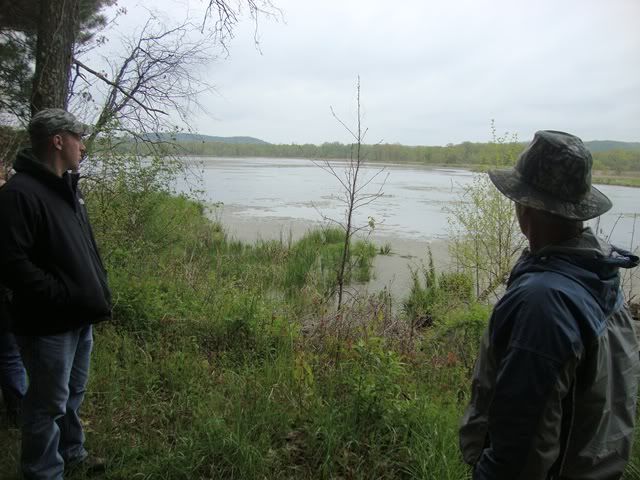
We finished off with a visit to a site that is normally great for Northern Watersnakes (Nerodia sipedon), but of course none were active today.  Yet, it's another interesting habitat....and open water marsh backwater of a large river in the state (compared to the river floodplain forest we visited during the morning).  It also has a very interesting management history (which, when first began, mostly focused on waterfowl).

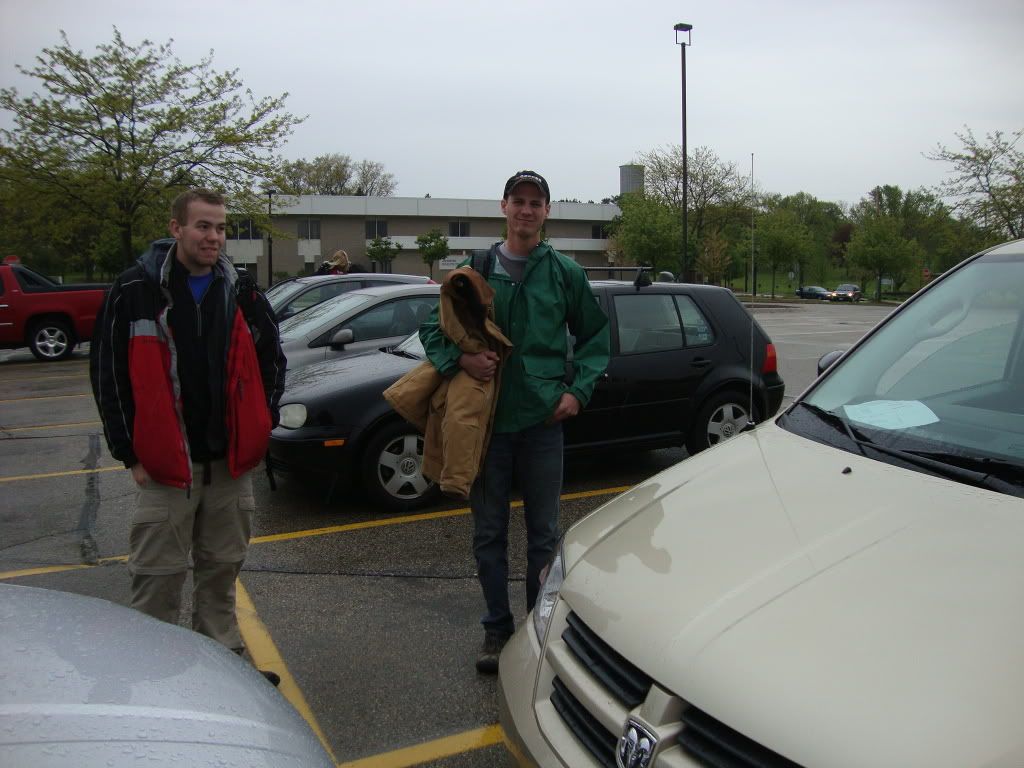
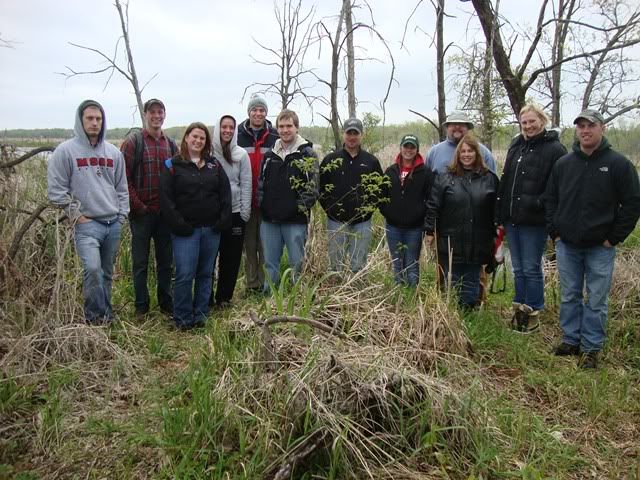
....but ultimately made for a nice group photo-op....

We had a fun day.

Next year, maybe we'll have better luck with the snakes!