Showing posts with label Otter. Show all posts

Thursday, January 10, 2013

The Birthday Otter Returns?

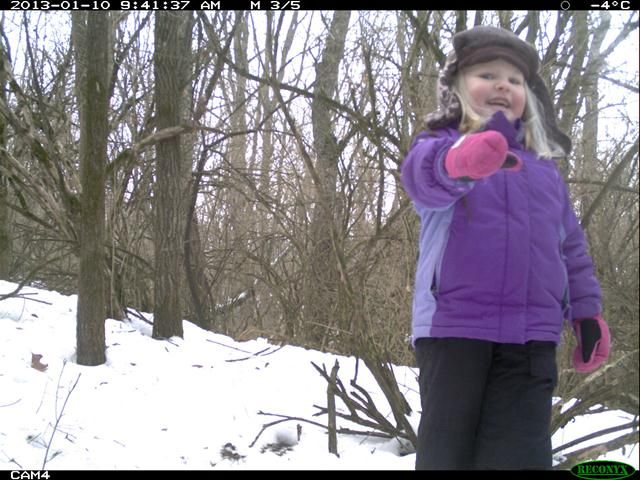
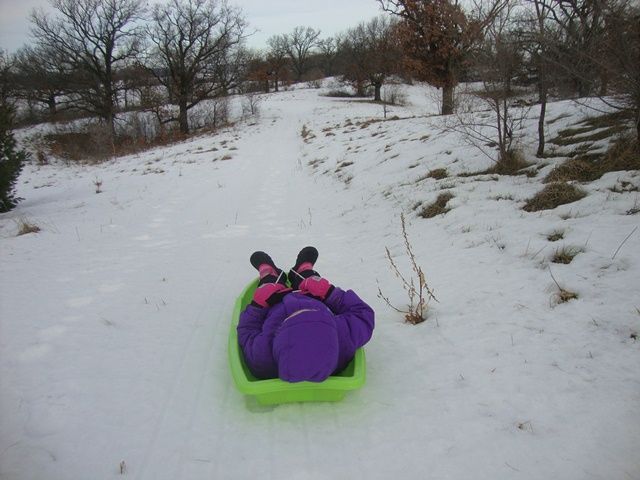
I had to pull two of my research cams today and brought my daughter with.  Figured I could pull her in the sled from camera to camera and then we'd sled down one of the hills nearby.

The first order of business was to find the cameras.  I try to encourage her to walk ahead and tell me what she can see.  Often she identifies "deer poop" and the occassional track.

Today, she found my camera for me ;)

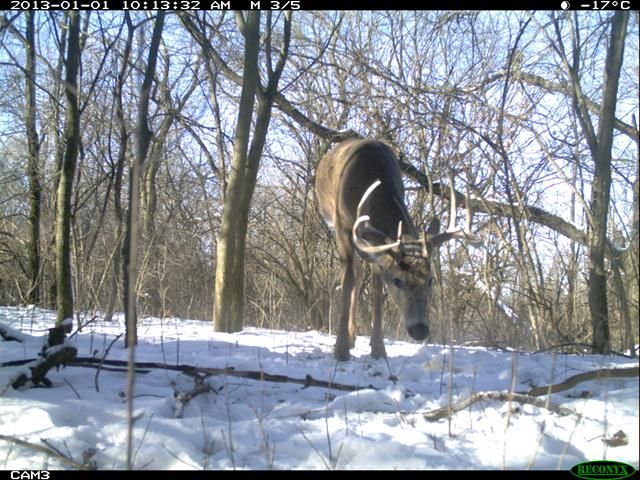
It also appears that some of our residents have continued moving about, despite the snow.

This includes the remaining Brute....whom survived the hunting season for yet another year.

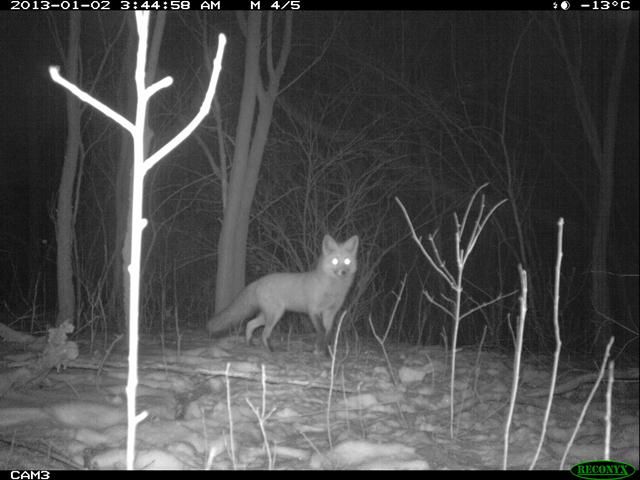
...and, of course, The Todd still graces us with his presence every now and then.....

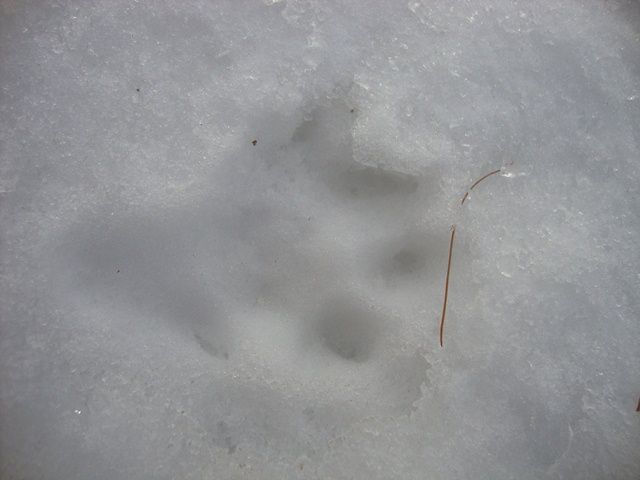
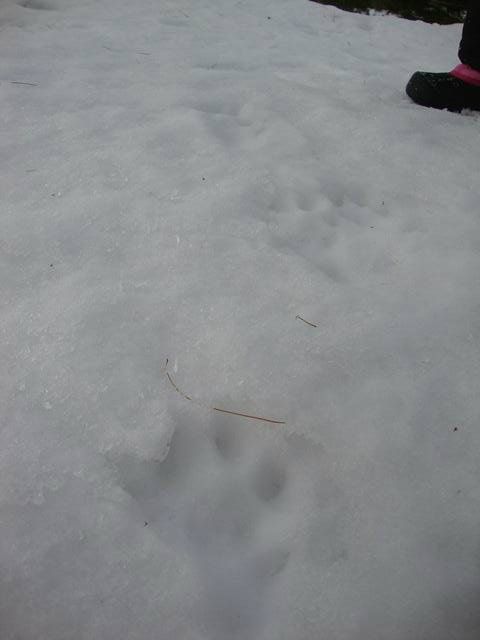
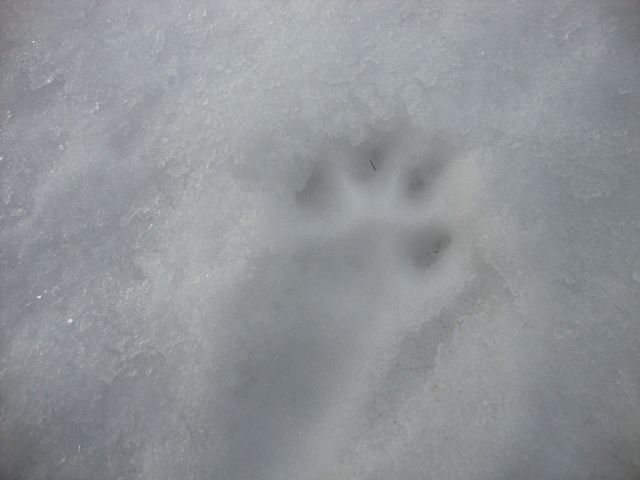
Today, however, as I pulled my daughter in the sled to the top of a hill near the cameras.....I happened to look down and see (what I'm almost certain are) otter tracks!  Comments on ID welcome!

It's the same high and dry site where I got a picture of the birthday otter in early December.  These tracks are heading in the opposite direction of the one I got on the cam trap before.

Perhaps a return trip?

There are so many fox and coyote tracks on-site.....it's always a possibility that I've mis-identified these.  Furthermore, the snow is melting...which distorts the tracks and makes them look strange.  Than there's the fact that the toes on Canine tracks in snow are more spread out than in hard mud (which could give the impression of otter toes sometimes).   But I'm pretty sure I see a fifth toe on both of these tracks above, webbing depression, and an elongated inter-digital pad.  Also these tracks were fresh...not melted Canine tracks.  Unfortunately, gaits were hard to make out, due to the snow melt.  I quickly lost the trail in the melted patches.

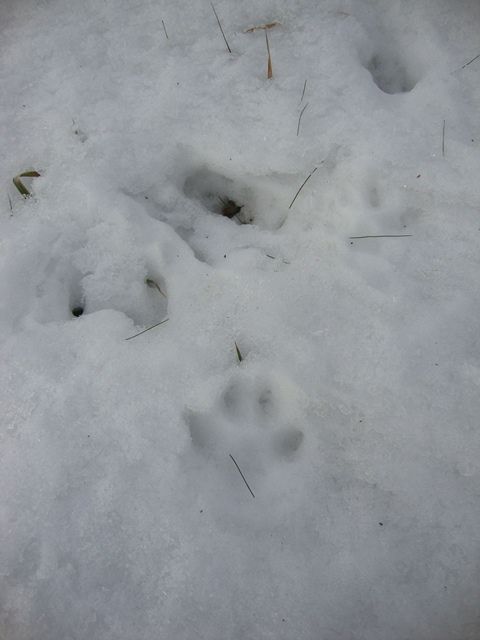
The pics above really look like otter tracks.  The ones below (which were the obvious next tracks in the trail) give me pause.  There still looks like a dragging depression where that fifth toe might have come down and was lifted when the animal moved forward (right side of the track).  Looks like a long inter-digital pad as well.


The one below has nice spread-out toes like an otter track and apparent webbing, but no fifth toe....

Eventually the patience that a 4 year old has with looking at holes in the snow wanes (even a 4 year old that likes animals). 

So, we got down to the activities that we had really set out to do.....

Wednesday, December 12, 2012

A Birthday Otter?

Normally, I wouldn't submit two blog posts so close to one another, and I have a bunch of exam-writting I should be doing....but this picture astounded me.  I had to post about it quickly.

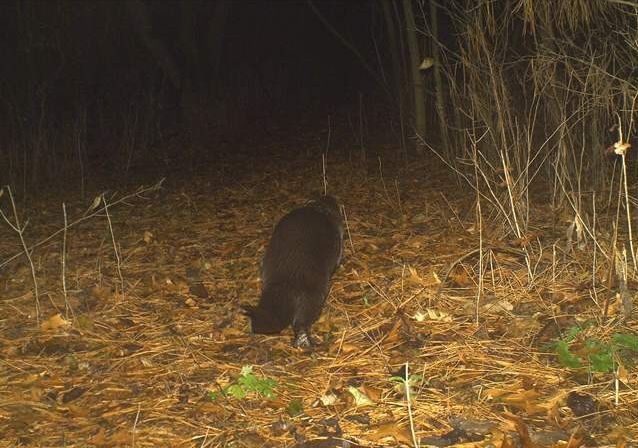
I checked the cams for one of my research projects this morning, and when I perused the pictures the one below caused me to do a double-take.

I can't be 100% certain, but I'm pretty confident this is a River Otter (Lontra canadensis). 


The wide long tail....the "slicked" back appearance of the fur....and the heavy creases in the pad of that right hind foot.

See an example of an otter rump here.

An example of some otter hind feet here (scroll down).

Your thoughts on this would be much apprecaited!

Why is this so interesting to me?

First of all....I have a fondness for Mustelids....and have always went the extra-mile for pics of them.

Second of all, I've gotten so few opportunities to get pictures of River Otters (see here, here, and here). Furthermore, I've been cam-trapping this property for almost two years with no otters!

Third: this location is high and dry (on a hill surrounded by pine trees and deciduous hardwoods).  The nearest appreciable water body is a small-medium sized stream about 0.32 miles to the west.  Coming to the spot with the camera from that stream would require crossing a county road, some back yards and a corn field.  There is a stormwater retention pond on an industrial property to the south (about 0.12 miles from the camera) but it doesn't strike me as big enough for otters.  It also would require crossing a fairly busy county road.  Just beyond the retention pond is a ditch (0.16 miles from the camera).  Yet, at the point when this ditch is closest to the camera, it's barely a trickle.  As one follows the ditch further south, it begins to widen (~ 0.32 miles from the camera) and eventually reaches the point that it's fed by a small-medium sized creek (0.55 miles from the camera location).

Now, it's no shock that otters can move considerable distances.  Movements of up to 42 km (26 miles) along a stream/river in one day have been reported (Melquist and Hornocker 1983). 

But the picture above would be of an overland movement.

Furthermore, this critter is heading north.  If he/she kept on this trajectory, he would run into a deciduous hardwood forest that is in an early stage of succession (lots of shrubs, etc.) and then move into a fallow grassland/old field.  Beyond this, in all directions are agricultural fields.  To the north or east of this camera, the otter would have to travel 2-3 miles (through agricultural fields) to reach a decent water body again.  Of course, she/he could cut back to the west and hit the stream that runs north-south again (like I said, it's about 0.32 miles from the camera).

However, some digging in the literature revealed that sizeable overland movements are known for River Otters....including treks over mountain ranges!  Magoun and Valkenburg (1977) report new observations (at that time) of River Otters on the north slope of the Brooks Range in Alaska.  This would have required they travel 150-200 km (~93-124 miles) from the places where they had been previously known on the south edge of the range.

Thus, I suppose the little overland movement I observed isn't so suprising.

Regardless, the picture of this critter occurred on my birthday.

So....happy birthday to me!!!


Literature Cited:

Magoun, A.J. and P. Valkenburg. 1977. The River Otter (Lutra canadensis) on the north slope of the Brooks Range, Alaska.  Canadian Field-Naturalist 91:303-305.

Melquist, W.E. and M.G. Hornocker. 1983. Ecology of River Otters in west central Idaho.  Wildlife Monographs no. 83. pp. 3-60.

Tuesday, March 27, 2012

Of Newts, Turtles and Timber Wolves...


....alright....I suppose there is debate about whether or not the Timber Wolf (Canis lupus lycaon) is a valid subspecies....and regardless, the US Fish & Wildlife Service has deemed that we can only have the Gray Wolf (Canis lupus) in our part of the U.S.......but "Timber Wolf" fit into the title so well!


Anyways, with the nice weather (unseasonably warm...in the 80s in March, which here doesn't happen until May) hiking is a viable daytime activity.

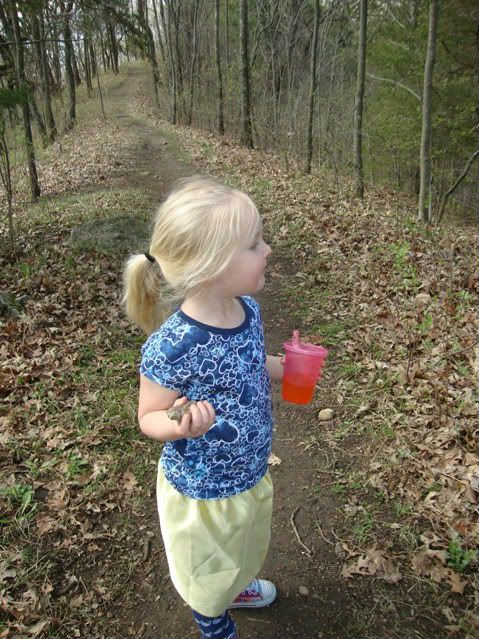
So, the kid and I went to a nearby state forest for a little hike.  She's sort of a paradox, this daughter of mine.  A nearly perfect mix of myself and her mother, as evidenced by the outfit she selected for a day of getting dirty (which she has no problem doing...nor picking up anything that she finds interesting, including a nugget of Canada Goose turd, which she threw into the water, before I could stop her...).

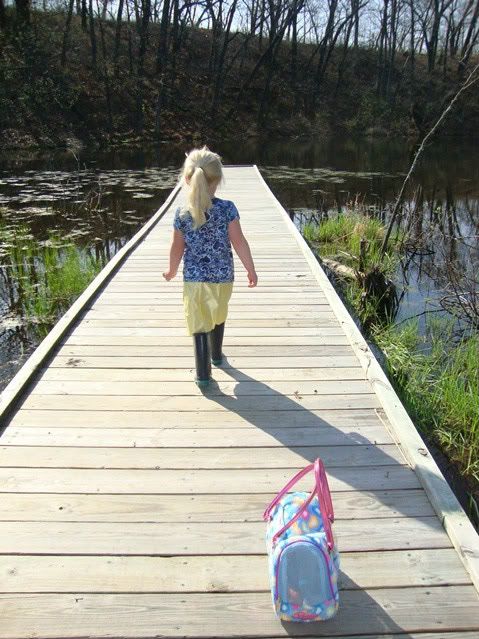
So...the chosen get-up included a shirt with colorful print, the skirt from her Snow White dress-up outfit, a pair of leggings with whales on it, and her La Crosse brand rubber boots.  This was drawn together with a plush purse, in which she carried countless treasures...including an orange (which I had not seen her grab) that she proudly produced later after exclaiming she was hungry.

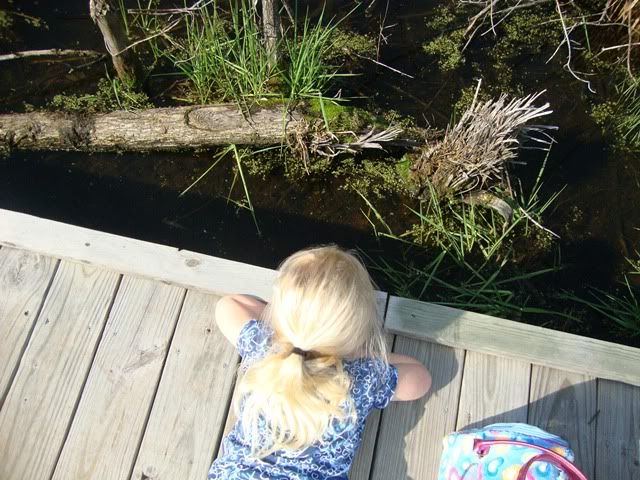
One of the first things we found along the trail was a pond with a boardwalk that allowed us to walk out over the water.
The Spring Peepers (Pseudacris crucifer) were screaming around the pond peripheries....which possessed a nice buffer of flooded woodlands.  These were the first Peepers I've heard this spring, although I've recieved reports of them calling for the past several weeks by colleagues (which is very early, by the way). 

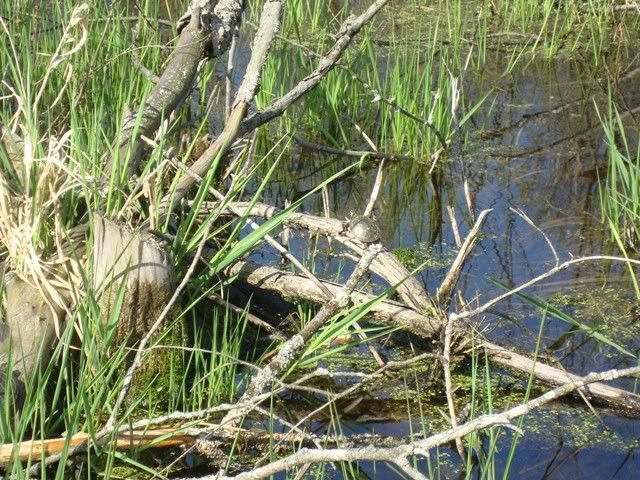
There were also Painted Turtles (Chrysemys picta) to burn in this little pothole scoured out by the glaciers.  It seemed that every available space above the water line, be it log, stick or clump of mud, had a turtle basking on top of it.  Some were even close enough to snap a picture of with a camera that has little zooming ability.

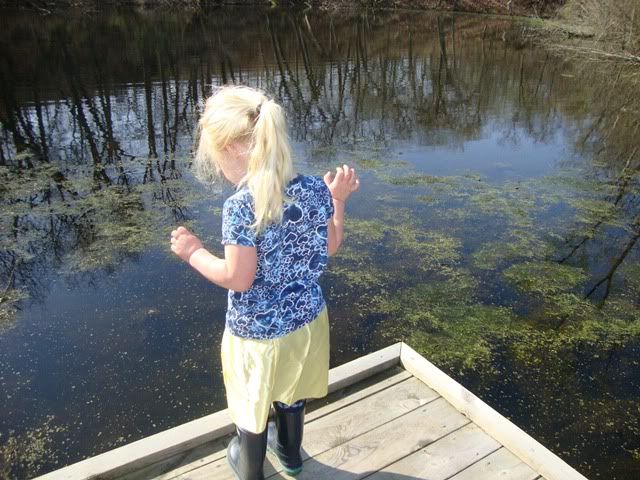
The best part, however, was peering down into the clear wetland water.  It teemed with activity, and we were obliged to get down and take a closer look.

 Water striders and other aquatic invertebrates were plentiful.  I even watched a leech swimming sinuously through the substrate.  But what drew our attention most were the amphibians.  It seemed that every square foot of real-estate was occuppied by large a tadpole.  Based on the fact that they were already sizeable this early in the spring, it's a no-brainer to assume they were a member of the Family Ranidae, and almost certainly Green Frogs (Rana=Lithobates clamitans).  Green frogs lay their eggs late in the summer and the tadpoles remain as tadpoles through winter, only to metamorphose in the following summer.  With the exception of the Bullfrog (Rana=Lithobates catesbeiana), all other frogs in our region have tadpoles that hatch and develop into froglets during the same season.  It's possible these were Bullfrog tadpoles, but they just didn't seem big enough to me.

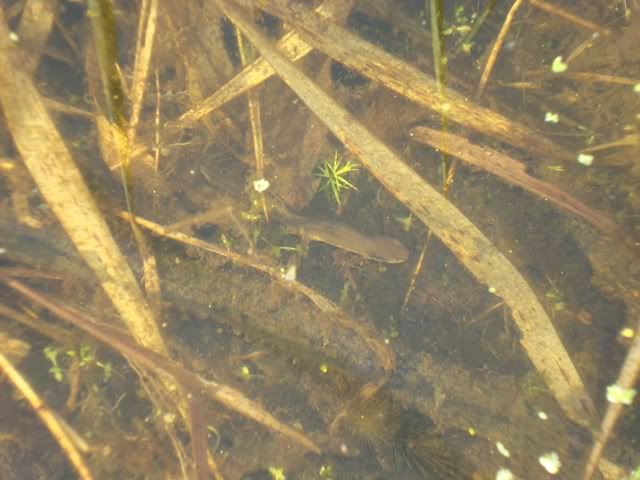
Anyways, the tadpoles were neat...but they dont' really move much.  They basically sat in one place, soaking up some of the rays penetrating through the water's surface.  Much more interesting to watch were the Eastern Newts (Notophthalmus viridiscens).  These little guys were fairly numerous as well, we could see them pushing through the leaf litter at the bottom of the pond, and occassionally swimming up to the surface.  As I've mentioned before, the newt is a most amazing amphibian.  It has several possible "phases" in which it can exist: an aquatic adult, a terrestrial adult, an aquatic juvenile and a terrestrial juvenile.  Basically, these phases are adopted depending on environmental conditions.  If the newt grows up in a wetland that doesn't dry out, they will go from an aquatic juvenile to an aquatic adult.  But, should the water levels receed, they are capable of transforming into a terrestrial adult, or a terrestrial juvenile.  The terrestrial juvenile is beautiful, and is often referred to as a Red Eft.

The individuals my daughter and I saw were adults, and clearly in the aquatic phase.

All of this information: the basking turtles, the tadpoles that need to over-winter, and the newts in their aquatic phase tells us something important (albeit not unusual) about this wetland: it rarely goes dry....or is not ephemeral.  If it went dry by the end of the summer, there would be nowhere for the turtles and tadpoles to overwinter....and the adult newts would have transformed from their aquatic phase to their terrestrial phase.
__________________________________________________________________________
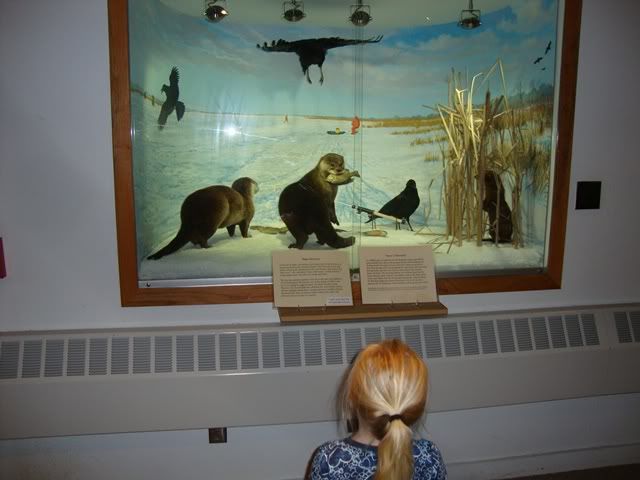
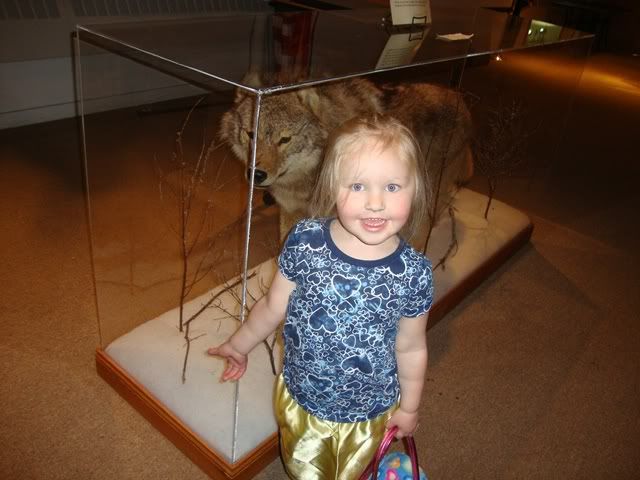
We passed the State Park's headquarters during our adventure.  They had a neat little museum, which we made use of, seeing that the kid loves to look at stuffed dead things (the reason she likes museums so much, I suppose).

A number of cool dioramas, including this rather comical scene of a pair of River Otters cleaning up the leavings of an ice fisherman (as a Mink watches from the cattails).

There was also a nice mount of a Gray Wolf (Canis lupus), which made for a perfect photo-op.

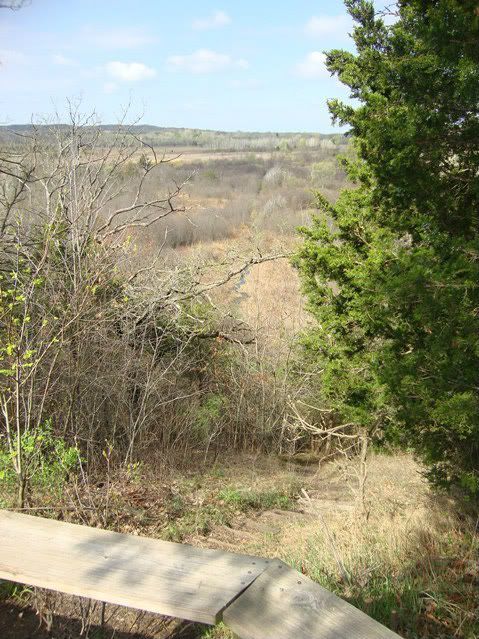
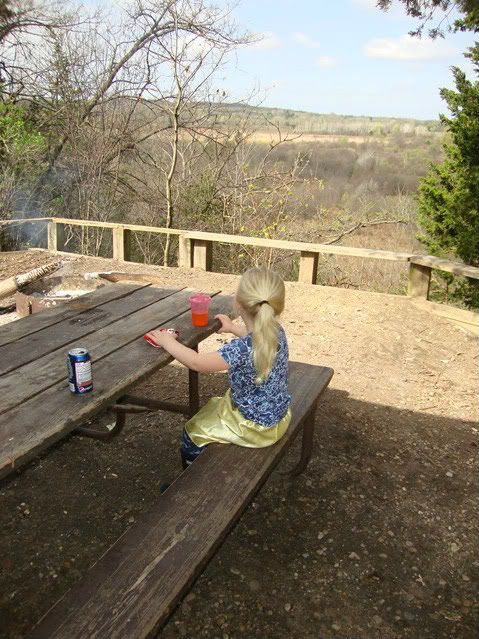
We walked on, and continued to follow the trail until we found a scenic overlook.  A decent-enough spot to stop for some juice and crackers.

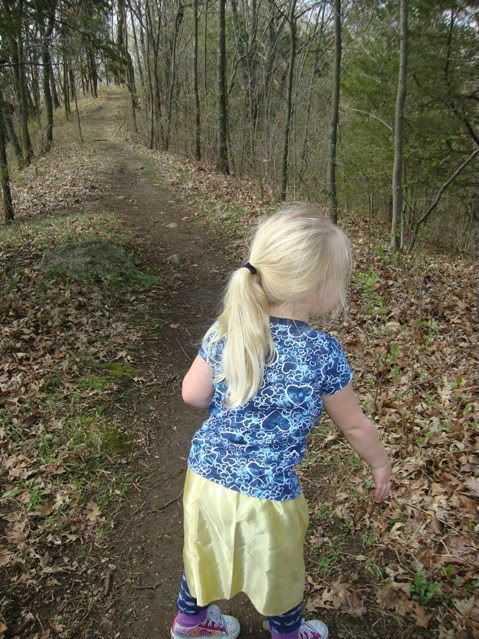
...and of course...the rocky path provided many opportunities to lob some geologic protectiles down the hillside.

I guess it's hard to turn down an opportunity to throw a good rock.....

Friday, June 24, 2011

Otter Pups?

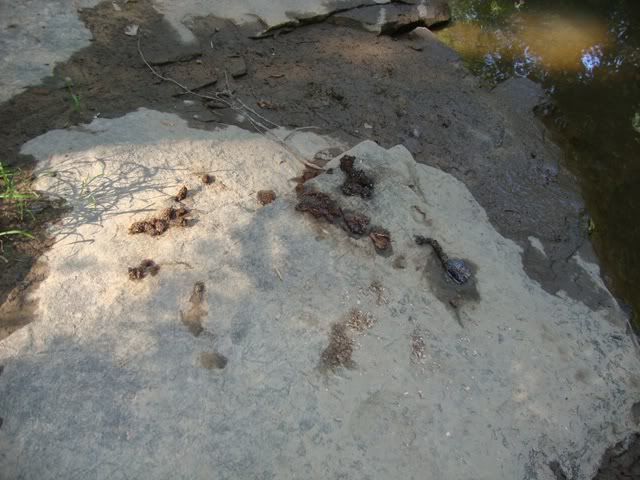
This week, as we scoured the river banks for good tracks to make plaster casts of, we again checked on our otter latrine.

The otters are still using the latrine site that is down the bank and closer to the water (having all but abandoned the latrine on the upper bank where the camera is).

I debated moving the camera down to the new latrine.  However, seeing as there's a low-life camera thief about....and it would be hard to move it and not have it somewhat exposed....I'm reluctant.

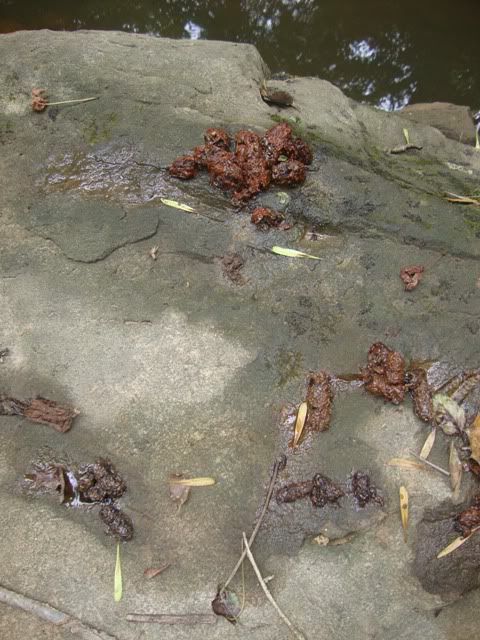
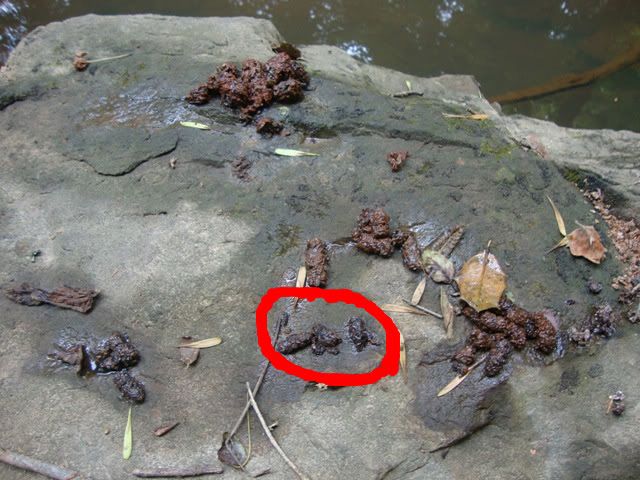
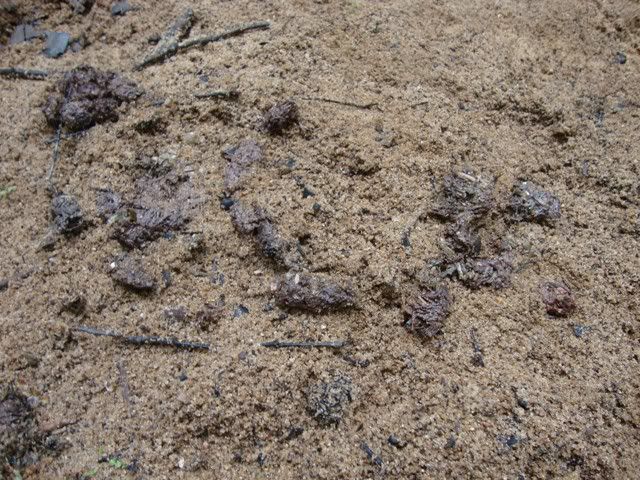
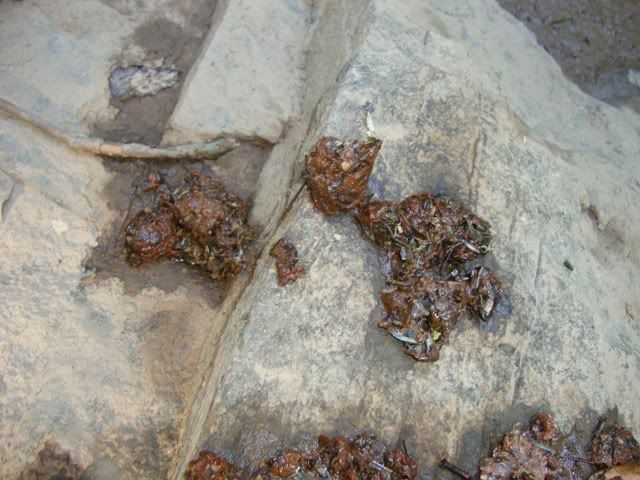
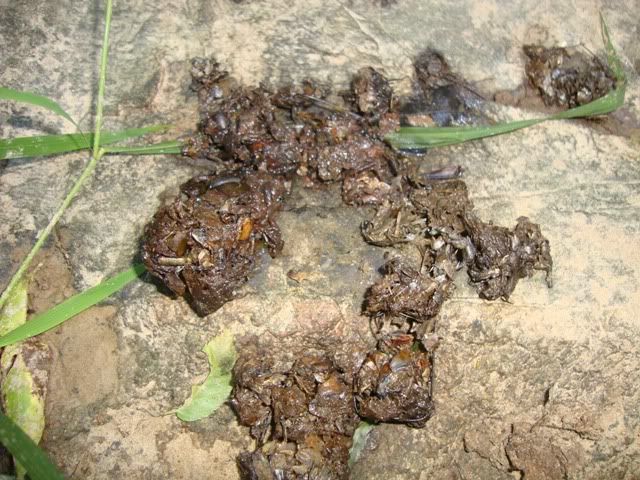
Anyways, this week we noticed something new about our otter scat: some of the scat appears to be from offspring: its much smaller than the other scat deposited there recently, and smaller than any of the scat I've seen at that site before.


Above: The new otter latrine site as of 6/23/2011.


Above: Note the smaller scat that is now present (example circled in red).  Compare to the much large scat at the top of the picture.


I wish I could get pictures of the actual pups and not just their leavings...... 
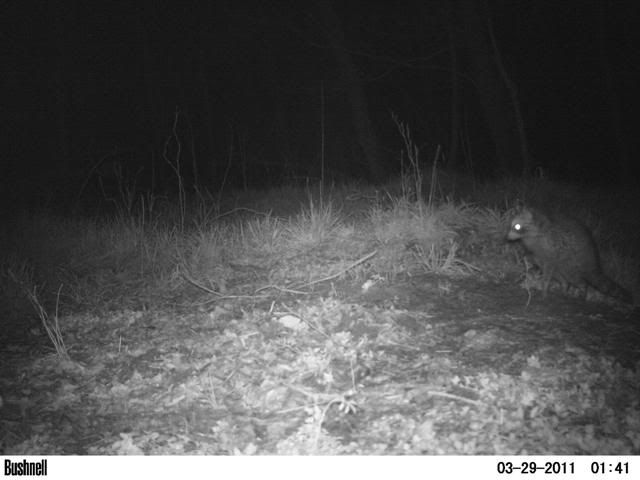
I just don't think I can risk another camera to do it!

__________________________________________________________________________

Notes on River Otter Reproduction:

According to Melquist et al. (2003) a significant amount of research has been conducted on the reproductive biology of River Otters.   One of the most interesting aspects of otter reproduction, in my opinion, is that they are capable of delayed implantation.  Many members of the Family Mustelidae (including several species of otter) are capable of this.  Delayed implantation is a phenomena by which the fertilized embryo does not immediately implant to the uterine wall.....instead it goes into a state of developmental dormancy.  This state of dormancy may last for extended periods of time (sometimes hundreds of days; reviewed by Melquist et al., 2003).  The advantage of delayed implantation is that the animal can then time implantation of the embryo, so that the energetically demanding action of being a pregnant female AND nursing newborn pups occurs at a time when resources are highest.  I'd say that's a pretty cool survival strategy!

Otters are also induced ovulators, unlike female white-tailed deer, coyotes, racoons, etc. who go into estrus at regular intervals (usually the same time each year)..which is called spontaneous ovulation.  For River Otters, the act of copulation with a male causes the female's ova to be released for fertilization.  This strategy is also similar to that of many felines (such as African Lions), who are also often induced ovulators.

Parturiation (i.e. birth) dates vary for this species, and range from January to May, depending on geographic location, and litter size varies from 1 to 6 pups (reviewed by Melquist et al., 2003).

Literature Cited:

Melquist, W.E., P.J. Polechla, Jr., D. Toweill. 2001.  River Otter (Lontra canadensis). In Wild Mammals of North America: biology, management and conservation (second edition), G.A. Feldhammer, B.C. Thompson and J.A. Chapman (eds.).  The Johns Hopkins University Press

Wednesday, June 15, 2011

The Otter Latrine Redux

The Otter latrine site continues to be monitored.  Since I last posted any of my findings from this camera trap set on April 10th, 2011 (see Back to the Otter Latrine), alot has has happened. 

Of course, as I've shown you before, Otters aren't the only critters that like this spot.

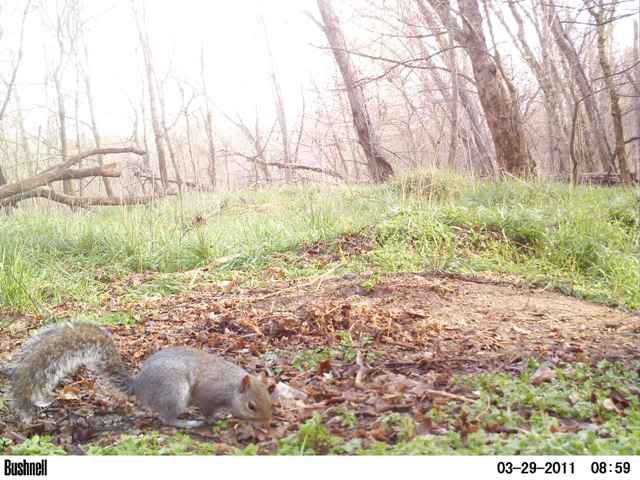
There are eastern gray squirrels (Sciurus carolinensis)....

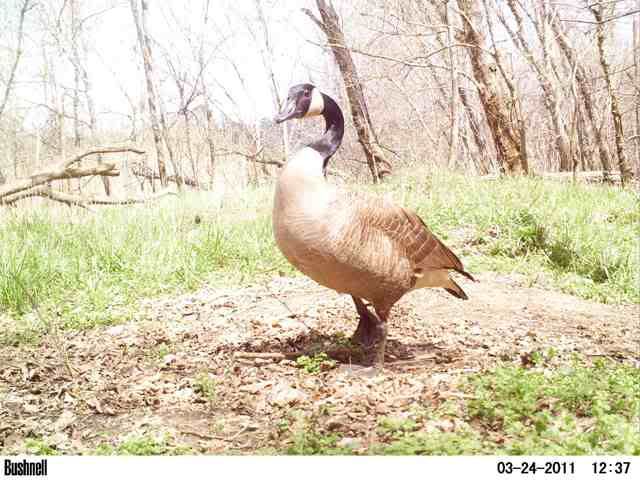
Once, and only once, some Canada Geese (Branta canadensis) waddled by.....

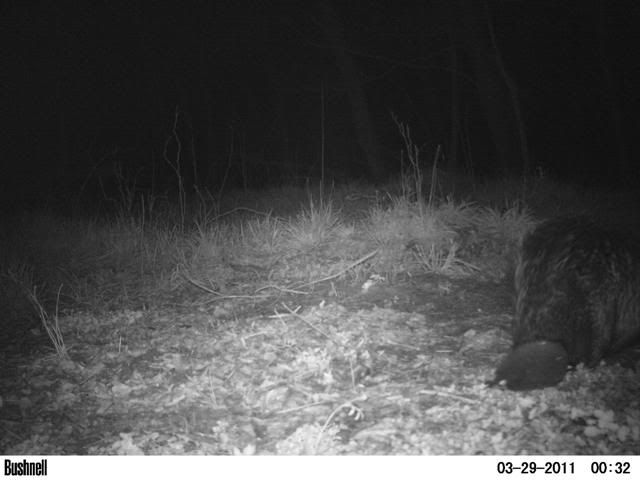
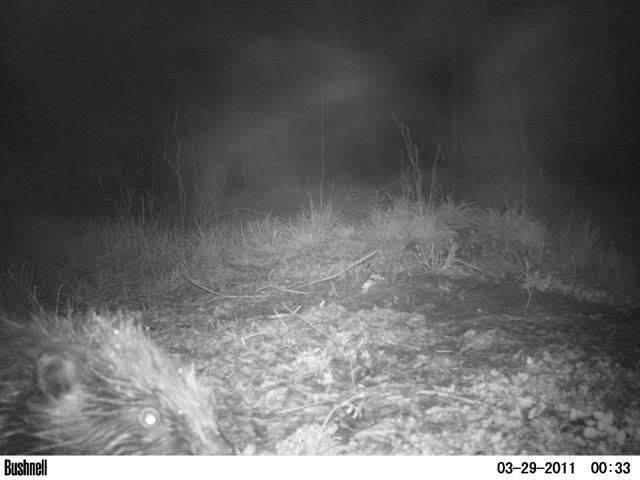
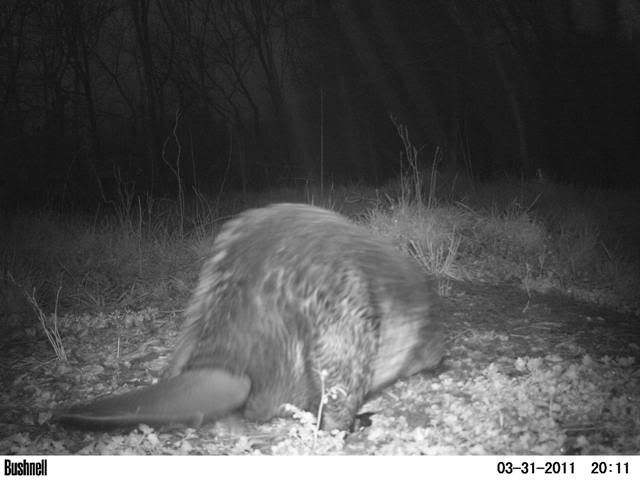
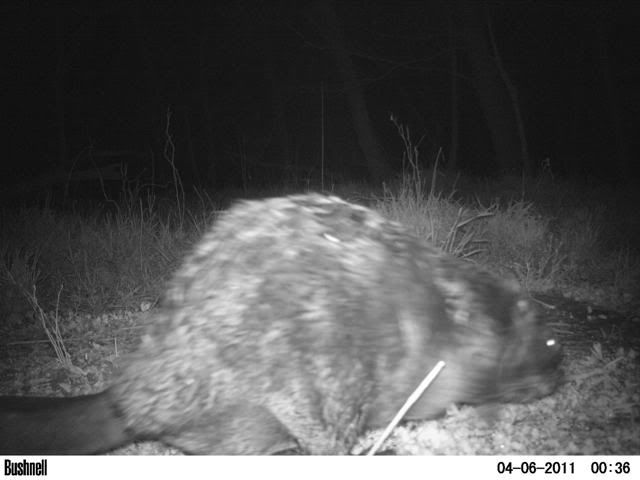
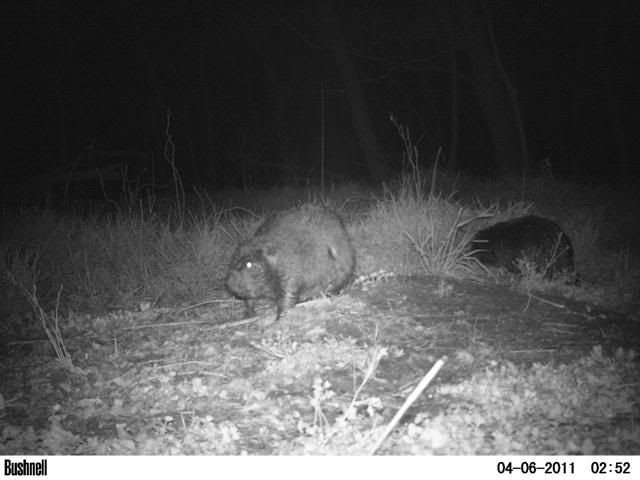
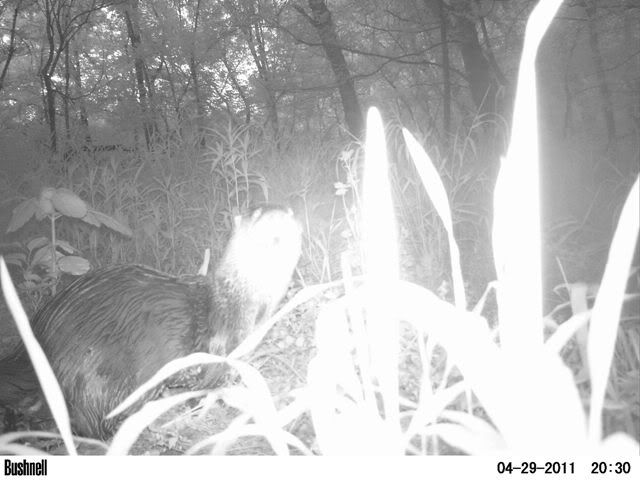
Also, for a few weeks....Beavers abound!  A pair of flat-tails (Castor canadensis) work the area pretty heavily....this is not far from two other locations where I've camera trapped them at roughly the same time (see Busy Little Beasts posted on March 28, 2011).  They haven't been back since.  Because I like Beavers, I can't help but post one picture from every time they passed.


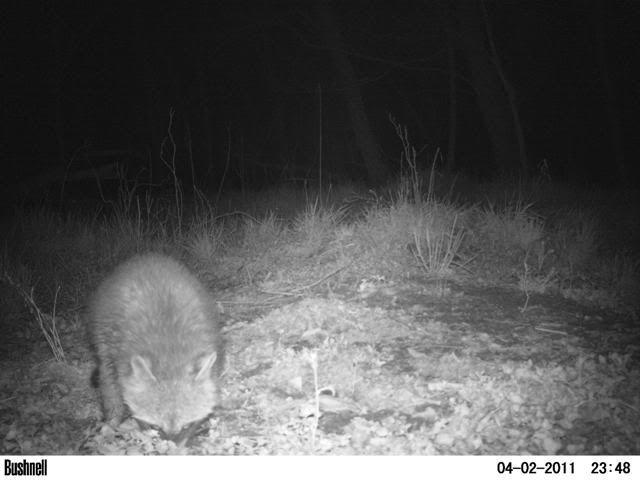
But, really...Raccoon is the word!  I have hundreds of pictures of these guys from this set.

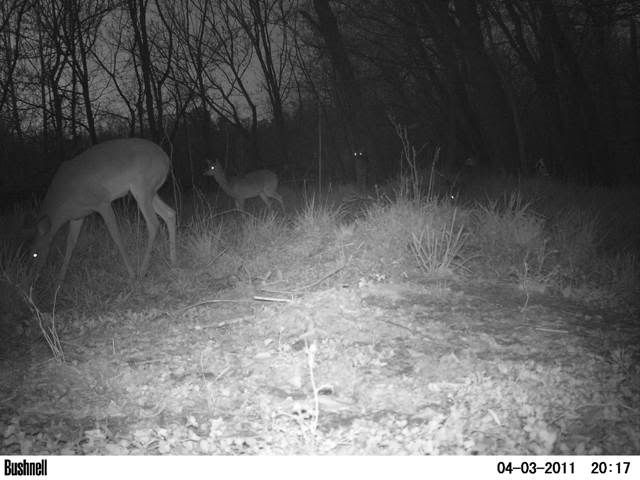
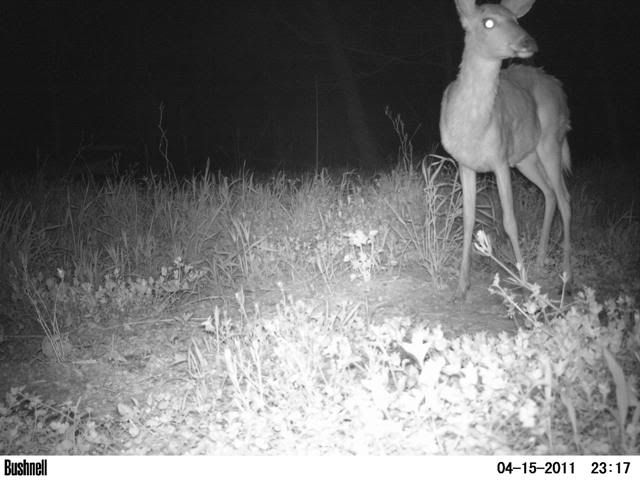
If Raccoon is the word, then deer is the punctuation....ever present and in no short supply.

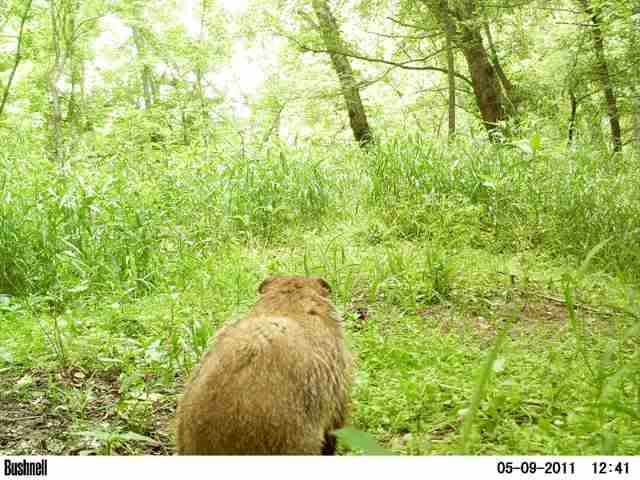
Even the Whistlepig (Marmota monax) wants in on the action....his camera set is not far away from here either.

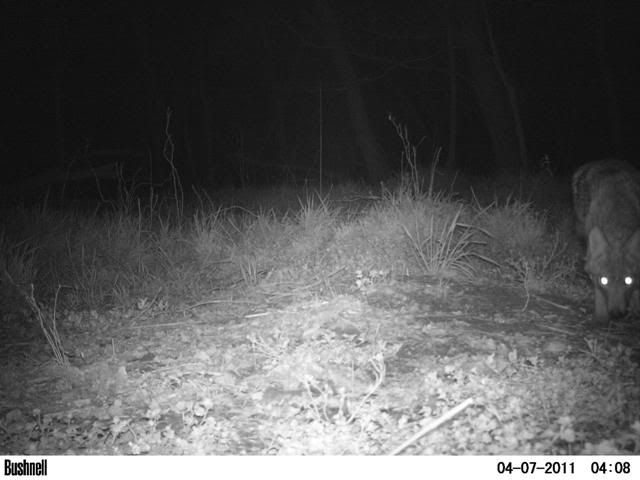
Of course, a batch of pictures from this set wouldn't be complete without one of my favorites....Canis latrans.  I really like this picture.

But the critter of the hour is our buddy the Otter (Lontra canadensis).

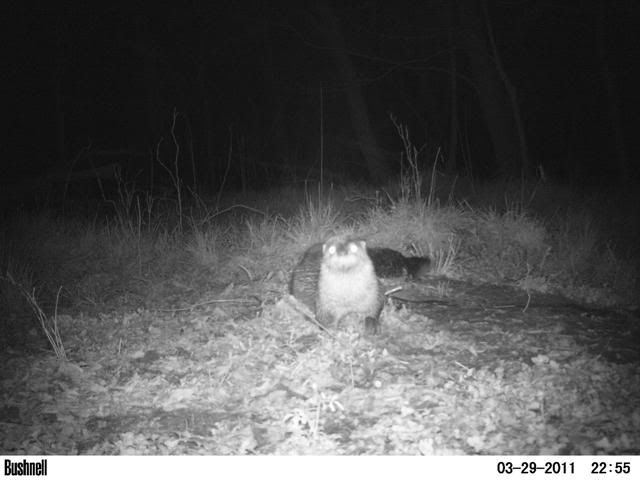
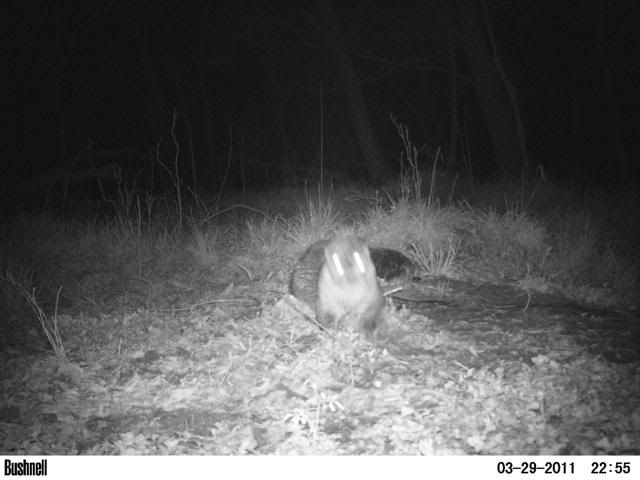
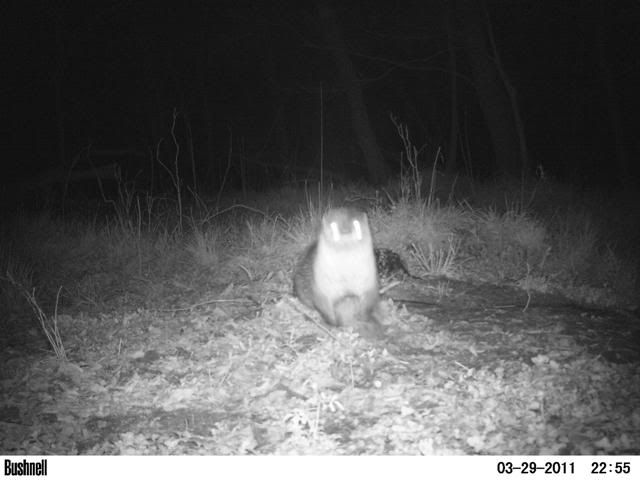
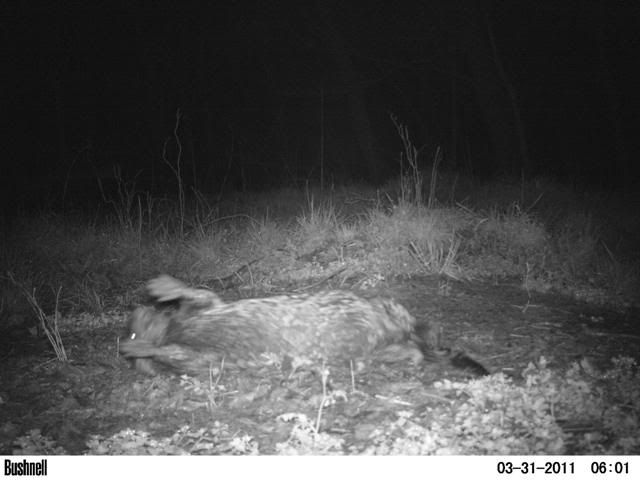
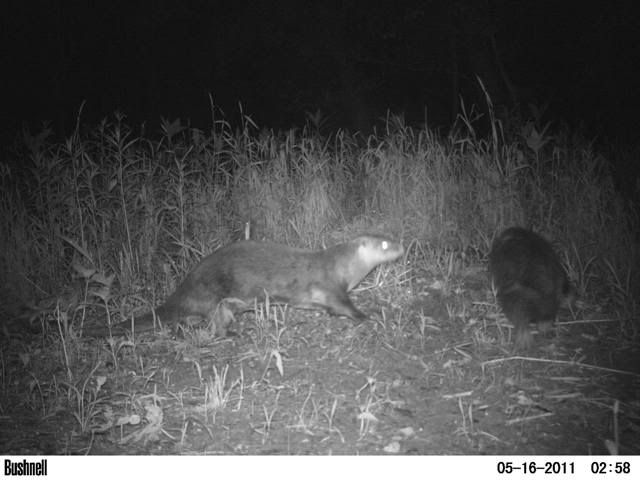
Below is a great series of three pictures that shows an otter scraping together a mound of debris to deposit scent on....

...a few hours later....someone stops by to inspect the scent mound....
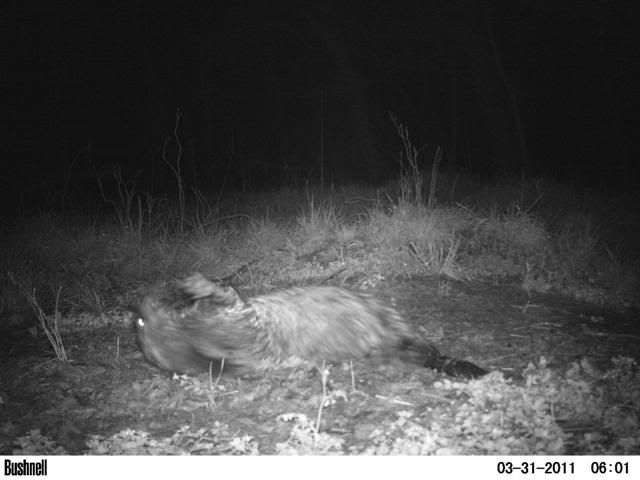
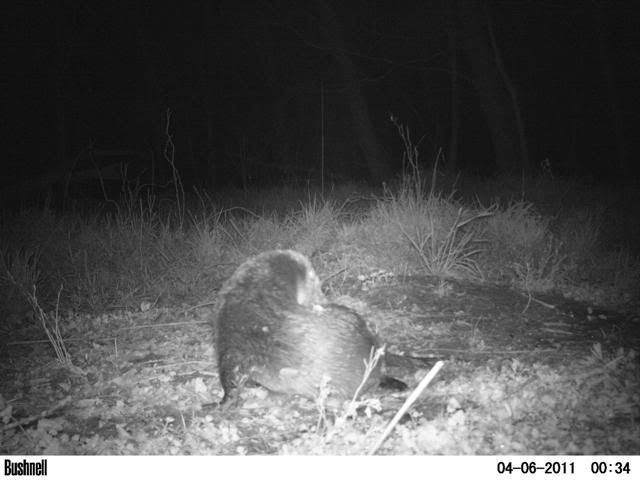
...and the next day something very interesting happens....an otter "scent rolls" in the leavings!  See other posts regarding animals doing a scent-roll in smelly stuff in Gray Fox at the Stink Pole (posted on March 4, 2011).

...then no Otters for a week...until....

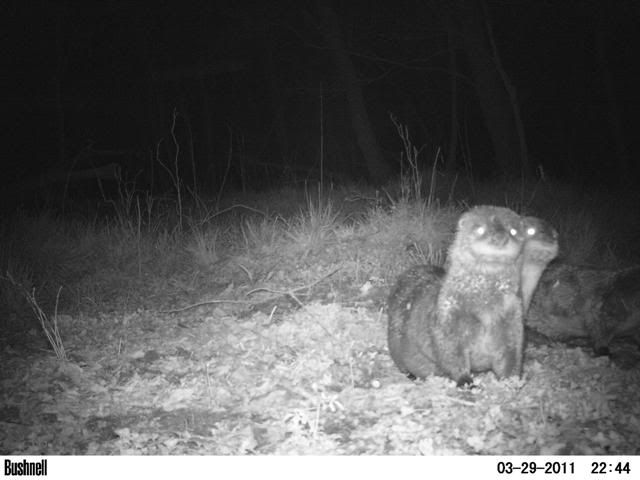
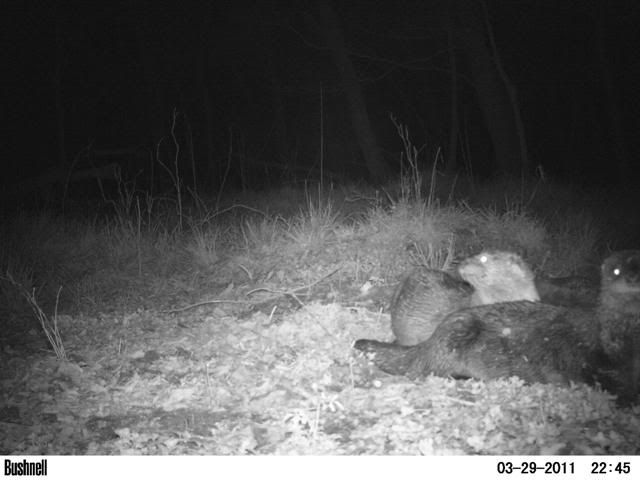
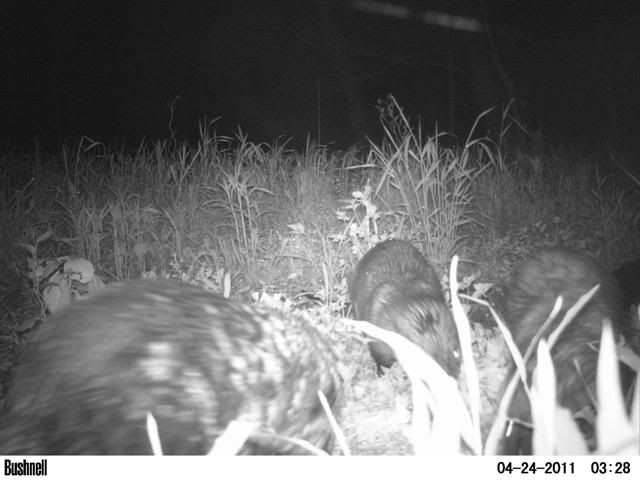
Another long period between visits.  This time the family group is back.

...a solo otter laying down alittle scent about a day later....

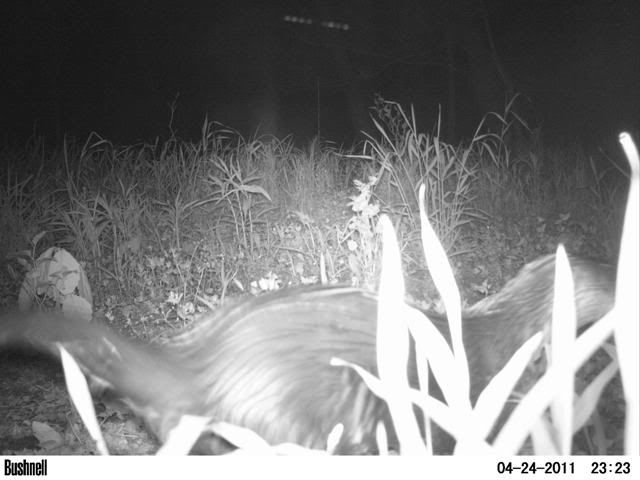
Another solo Otter swings by.....

...then again....nothing for weeks.  But these critters will not give up on their favorite dumping spot!

It has now been almost a month since any otters have visited this latrine spot.
___________________________________________________________________________
Upon arriving at the latrine site in early May, I noticed a real lack of fresh scat.  This puzzled me, as it would have been the first time this spring that the otters hadn't used this latrine site in between my visits. 

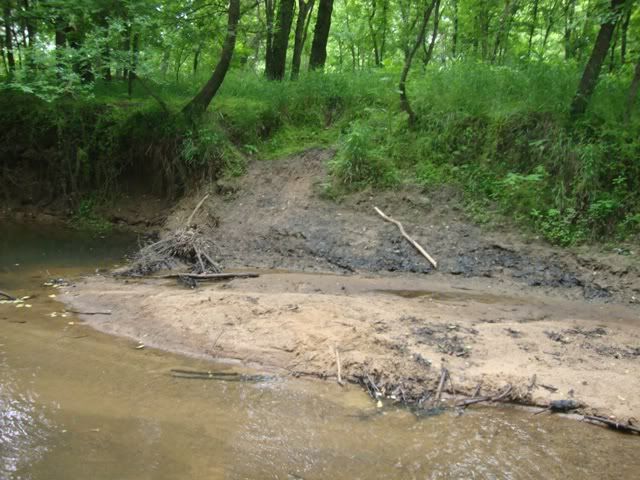
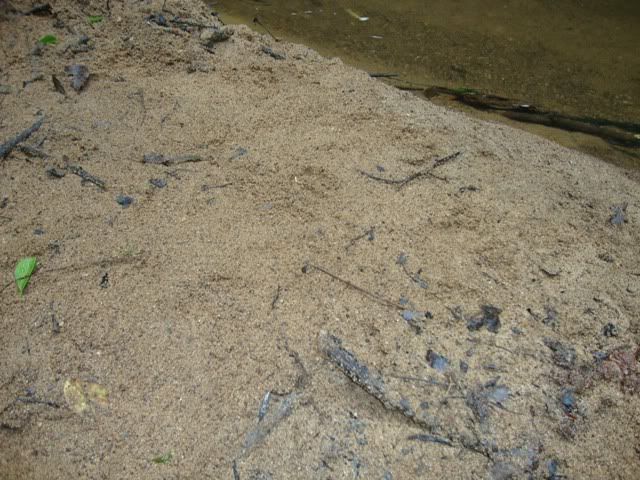
As I was preparing to leave, I happened to glance down the sloping bank towards the stream.  The water was fairly low at that time (and still is today) and an exposed sand bar, as well as several large flat rocks in the streambed, were near the base of the "slide" associated with the latrine I have the camera over.  Even from high up on the bank, where I have the camera, I could clearly see otter scat and tracks on one of the sand bars below.  The otters had abandoned the bank latrine for one in the sand bar/rocks in the streambed.

Above: a photo of the otter slide and sandbar latrine from across the stream.  Note the normal latrine site that the camera is monitoring is up on the bank at roughly the top of the slide in this picture.  This picture and the picture below were taken during the "low-water" period within the last month.


Above: For this picture, I stood parallel to the latrine, pointing the camera down-stream.  That way you can see the relationship the latrine site has to the larger river.  You can also see the exposed flat rock and muddy/sandy bars in the water.

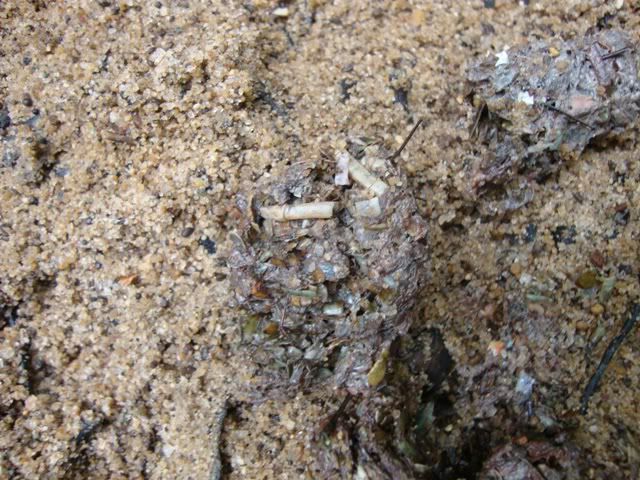
And what post about an otter latrine would be complete without more scat pictures!!
Above three pictures: Example scats deposited on the sandbar below the bank from the normal latrine site (5/12/2011).

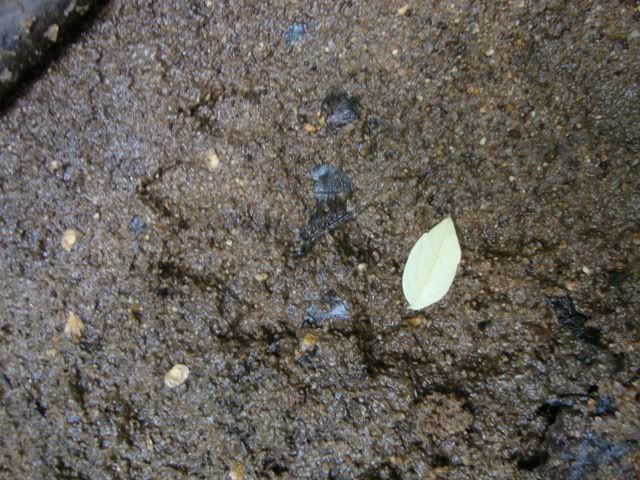
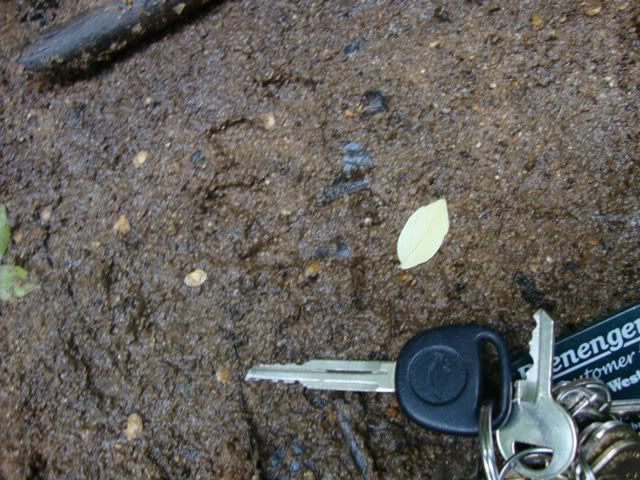
Above: tracks around the sandbar where the "temporary" latrine site had been set up (5/12/2011).
Above Two Pictures: Close ups of the otter tracks (5/12/2011).  Not great pictures.  I had to turn the flash off, as it was washing the tracks out completely in that sand...but any camera shake and the pic ends up blurry without the flash. 

Above Two Pictures: Otter latrine located on flat rocks in the stream just below the camera set on 6/14/2011.  This was very near the latrine location found on 5/12/2011.


Above Two Pictures: Close-ups of the scat on the latrine found on 6/14/2011.  As usual, full of crayfish.

__________________________________________________________________________

So...what does this minute altitudinal shift in an otter's latrine mean?  All I can think of is that the water's lower....it's more work to climb up the side of the bank than it's worth because the water's so low and so they simply leave their message in the most accessible spot near their normal latrine.

Might be time to move a camera next week!